
Congress Leaders Diverge from Rahul Gandhi on Iran Conflict and LPG Supply Matters
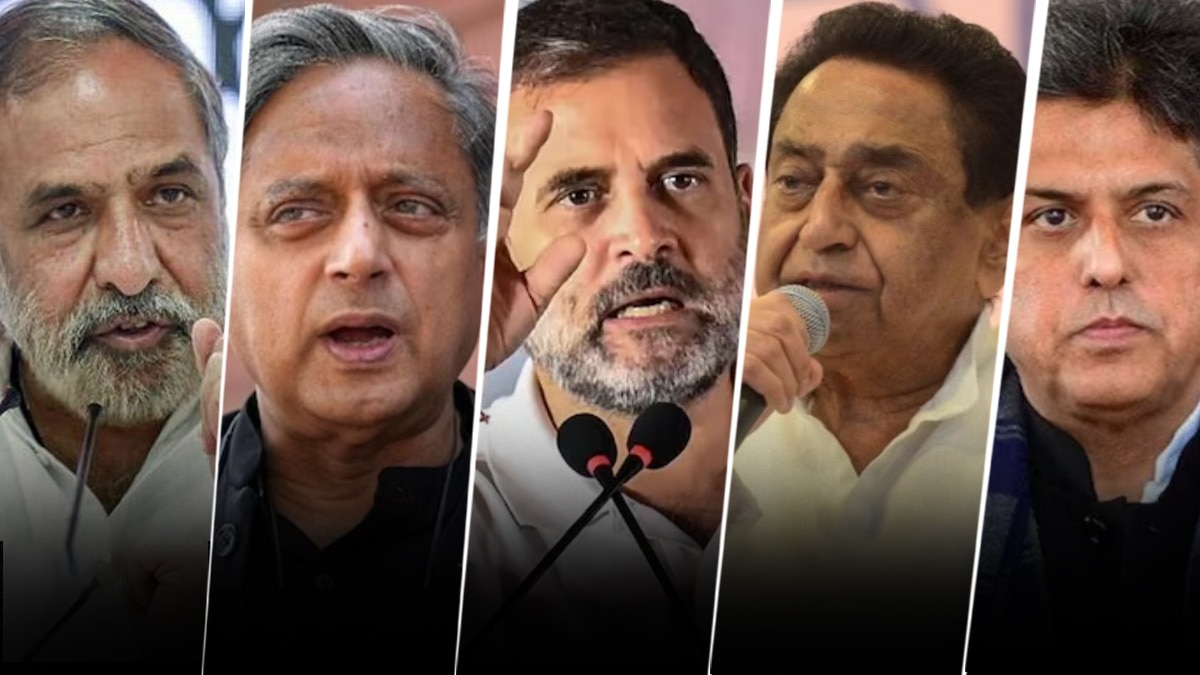
Title: Congress Leaders Diverge from Rahul Gandhis Stance on Iran Conflict and LPG Supply Issues
Several leaders within the Indian National Congress party have publicly expressed differing views from party leader Rahul Gandhi regarding the ongoing conflict in Iran and its implications for liquefied petroleum gas (LPG) supply in India.
In recent statements, Rahul Gandhi has criticized government handling of the crisis, asserting that it could lead to disruptions in fuel supply and economic repercussions for the nation. However, some Congress leaders have distanced themselves from his position, suggesting that the party should adopt a more nuanced approach to international conflicts and their impact on domestic energy resources.
These leaders emphasize the importance of upholding national interests while also maintaining international relations. They advocate for a collaborative approach rather than a reactionary stance, which they fear could engender political divide and hinder constructive dialogue.
The Bharatiya Janata Party (BJP) has seized upon this internal discord within the Congress, using it as an opportunity to question the partys cohesion and leadership efficacy. BJP spokespersons have criticized both Rahul Gandhi and Congress leadership for perceived inconsistency on foreign policy matters, particularly in light of Indias dependency on imported energy supplies.
In a broader context, the Iran conflict stems from longstanding geopolitical tensions which have implications for global oil and gas markets. As a major importer of fuel, India remains vigilant about the potential fallout from such conflicts, which could affect supply chains and ultimately the prices consumers pay for LPG and other energy sources.
The internal debate within Congress reflects the complexity of navigating international relations while addressing the immediate concerns of citizens regarding energy security. The partys leadership may need to clarify its stance to unify its members and present a cohesive policy to the public.