
“Analysis of the Recent US-Iran Talks in Islamabad: Five Key Takeaways”
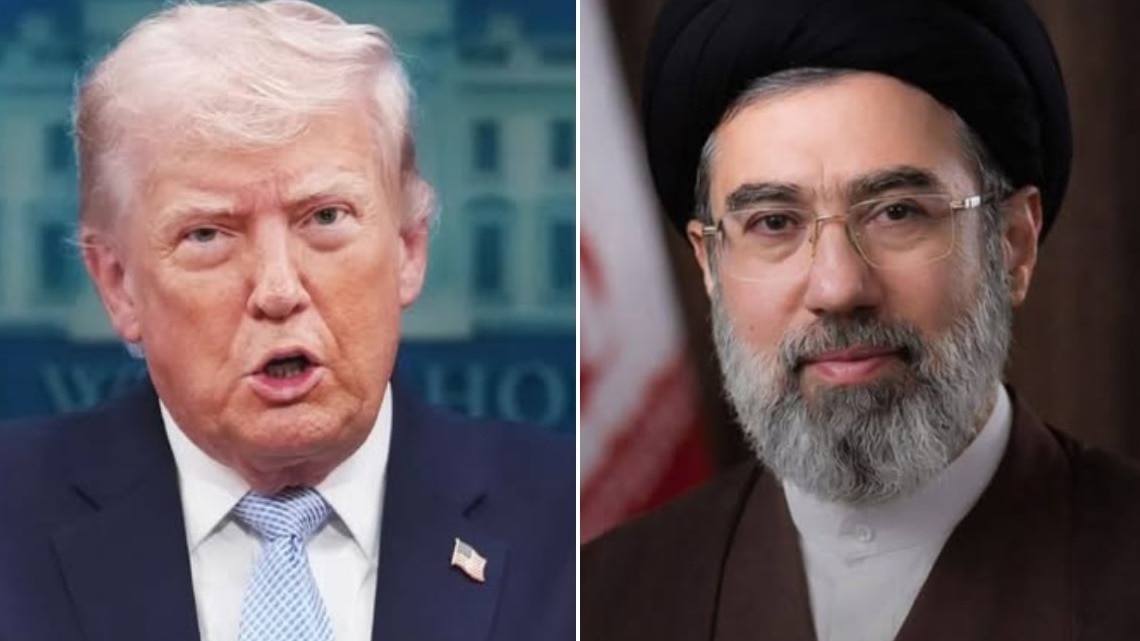
**Failure of US-Iran Talks in Islamabad: Key Points Explained**
Recent diplomatic discussions between the United States and Iran in Islamabad ended without a resolution, highlighting the complexities of their relationship. Here are five key points explaining the factors contributing to the failure of these talks:
1. **Core Issues Remain Unresolved**: Both nations entered the negotiations with fundamentally differing perspectives on key issues, including Irans nuclear program and its regional influence. These longstanding disagreements overshadowed their ability to find common ground.
2. **Escalating Tensions**: Prior to the talks, tensions had increased significantly between the two countries, particularly due to incidents in the Strait of Hormuz, a strategic waterway through which a substantial portion of the world’s oil supply is transported. These incidents heightened distrust and made negotiations more challenging.
3. **Geopolitical Dynamics**: The involvement of regional players and other global powers complicated the negotiations. The U.S. maintains alliances with Gulf states who are wary of Irans regional ambitions, while Iran is backed by countries that oppose U.S. influence in the region, making consensus difficult.
4. **Domestic Pressures**: Both U.S. and Iranian leaders face domestic political pressures that shape their engagement in international negotiations. In the U.S., there are divisions in Congress regarding foreign policy towards Iran, while Iranian leadership may be constrained by hardliners opposing concessions.
5. **Potential for Future Talks**: Despite the failure of this round of discussions, both nations have expressed a willingness to continue dialogue. The international community remains hopeful that sustained negotiations could eventually lead to a breakthrough on critical issues.
The situation reflects the complexities of international relations in a region marked by volatility and competing interests. Further developments will be closely monitored by analysts and global stakeholders.