
Iran’s Strategic Position: The Importance of Hormuz, Bab el-Mandeb, and Global Oil Supply
Title: Irans Strategic Influence in Global Oil Supply
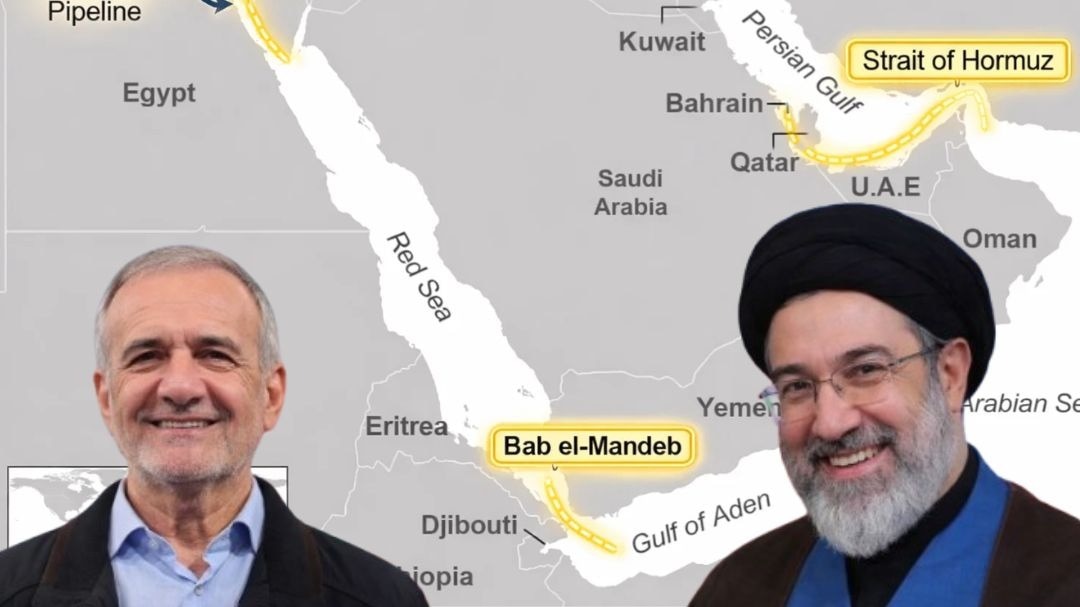
In a recent statement, Iranian officials asserted that the country does not require nuclear weapons to assert its power globally, emphasizing its strategic control over crucial maritime chokepoints, including the Strait of Hormuz and Bab el-Mandeb. These waterways play a significant role in the transportation of oil and gas, making them vital to the global energy supply.
The Strait of Hormuz, located between Iran and Oman, is a narrow passage through which approximately 20% of the world’s oil supply is transported. Likewise, the Bab el-Mandeb Strait connects the Red Sea with the Gulf of Aden and is vital for shipping routes involving Europe and Asia.
Iran’s geographic positioning and influence over these straits grant it considerable leverage in international energy markets. This perspective suggests that Iran may rely more on its geopolitical advantages rather than nuclear capabilities to exert influence over the global economy.
The emphasis on these strategic waterways comes amid ongoing discussions surrounding Irans nuclear program and international sanctions. Many countries remain concerned about Irans potential to develop nuclear weapons, while Tehran argues that its existing advantages in global trade and energy supply mitigate the need for nuclear armament.
As discussions continue, Irans role in regional security and its impact on global oil prices remain critical considerations for policymakers worldwide. The countrys assertion reflects a determination to navigate its international relationships primarily through strategic commerce rather than military escalation.