
Negotiations in Pakistan: US-Iran Talks Feature Separate Seating and Tea Break to Address Tensions
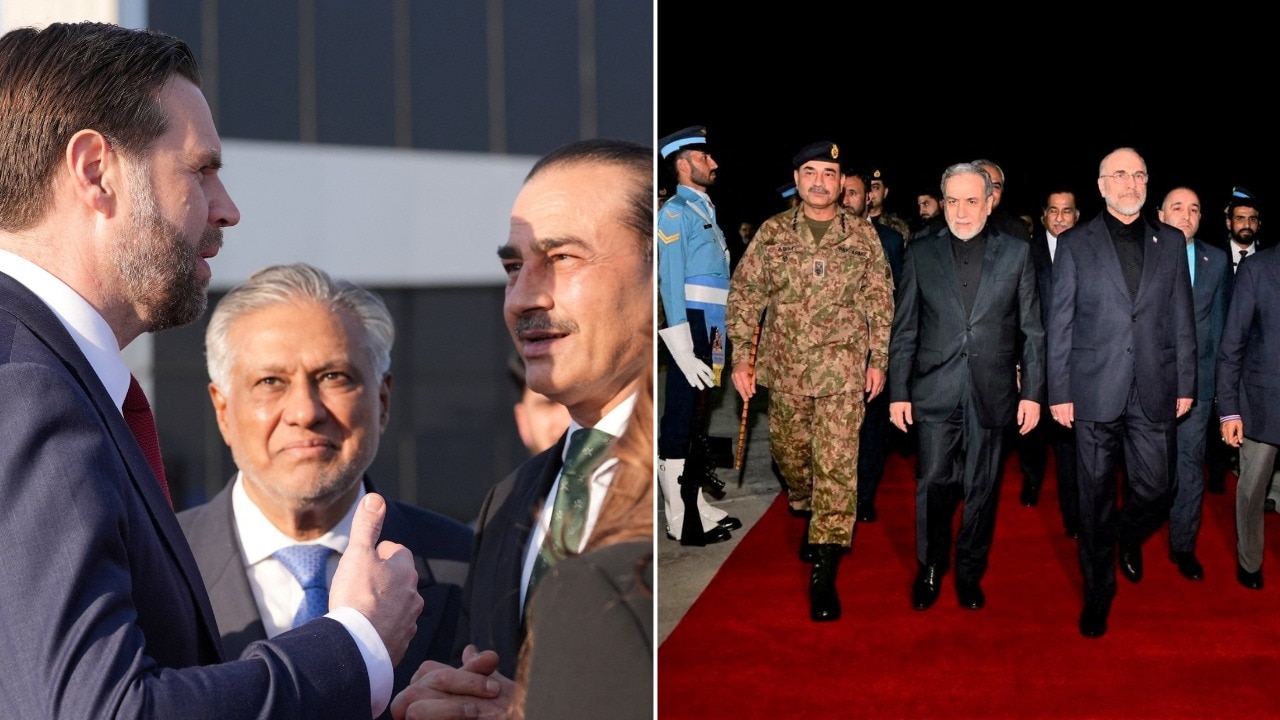
**Title: Insights into Recent US-Iran Negotiations in Pakistan**
In recent discussions held in Islamabad, representatives from the United States and Iran engaged in talks aimed at alleviating tensions between the two nations, which have been strained due to ongoing regional conflicts and nuclear negotiations. The meetings, characterized by intense debate, reportedly required the implementation of separate seating arrangements and designated breaks for tea to manage heated exchanges among delegates.
US Senator JD Vance, involved in the discussions, emphasized the need for constructive dialogue and outlined concerns regarding Irans influence in the Middle East, particularly in relation to its support for proxy groups. The Iranian delegation, led by Deputy Foreign Minister Abbas Araghchi and including officials like Parliament Speaker Mohammad Bagher Qalibaf, defended the countrys actions as necessary for its national security and regional stability.
The backdrop of these talks is the complex geopolitical landscape of the Middle East, where Irans nuclear ambitions and military involvements have prompted significant international scrutiny. The negotiations in Pakistan marked a rare occasion for high-level diplomacy between the US and Iran, as tensions have escalated in recent years, particularly following the US withdrawal from the Joint Comprehensive Plan of Action (JCPOA) in 2018.
As the discussions continue, both parties remain cautious but hopeful that diplomatic efforts can lead to a de-escalation of hostilities and a pathway towards renewed negotiations on nuclear oversight and regional security. The evolving situation will be closely monitored by global stakeholders, reflecting the critical nature of US-Iran relations in shaping the geopolitical stability of the region.