
“Examining the Role of Mojtaba in Irans Leadership Structure”
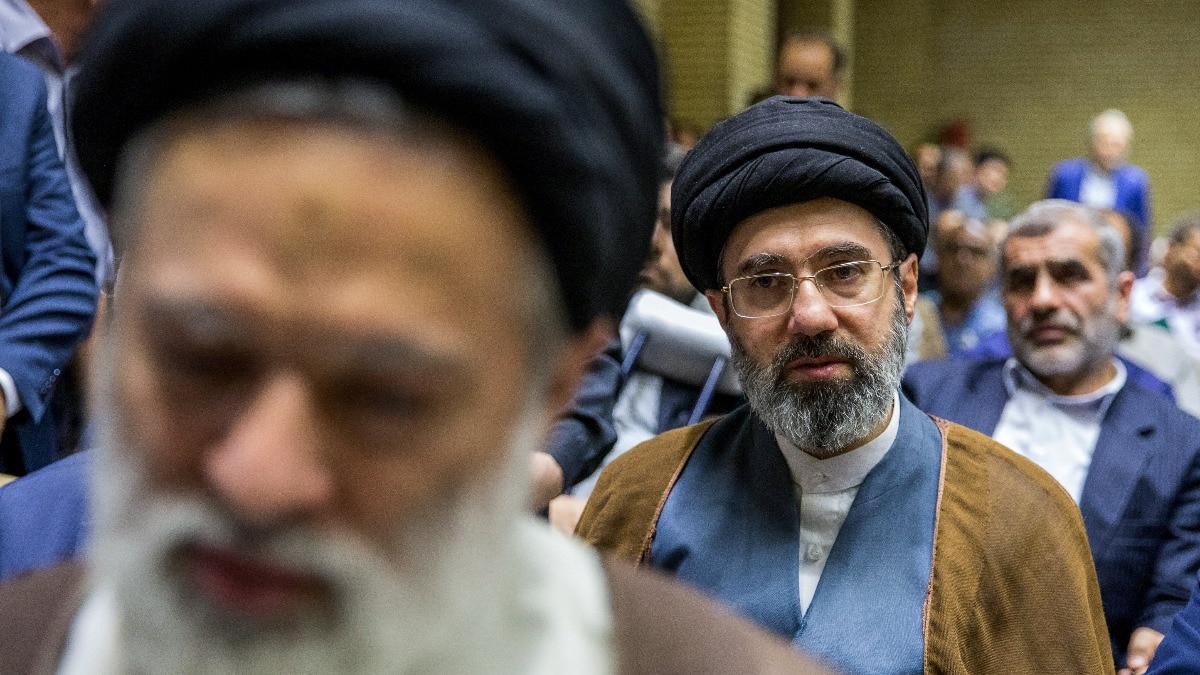
Title: Mojtaba Khamenei and the Role of IRGC Generals in Irans Strategic Decisions
Recent analyses have highlighted the influential role of Mojtaba Khamenei, the son of Irans Supreme Leader Ali Khamenei, within the complex power dynamics of the Iranian government. While he is often viewed as an emerging political figure, it is essential to note that his authority may be more limited than traditionally perceived.
Mojtaba Khamenei is reportedly linked with several high-ranking officials of the Islamic Revolutionary Guard Corps (IRGC), the elite military organization that plays a significant role in shaping Iran’s internal and external policies. These IRGC generals, often operating in the shadows, are credited with steering key decisions amid escalating tensions between Iran and the United States, particularly surrounding issues of nuclear capabilities and regional influence.
The IRGC has been known not only for its military might but also for its strategic involvement in Irans foreign policy, including support for proxy groups across the Middle East. The increased collaboration between Mojtaba Khamenei and IRGC leaders suggests a consolidation of power within Iran’s hardline factions, which may influence the country’s response to external pressures and negotiations.
As the United States continues to impose sanctions and engage in diplomatic efforts relating to Iran, understanding the internal power structures, particularly the role of figures like Mojtaba Khamenei and the IRGC, becomes imperative in anticipating Iran’s strategies and actions on the global stage.
Analysts are closely monitoring the developments within Iran, considering their potential implications for both regional stability and international relations, particularly as the dynamics of power continue to evolve in the wake of ongoing conflicts and negotiations.