
US and Israel Considered Ahmadinejad as Potential Iranian Leader Post-Conflict: Reasons for the Plans Lack of Success
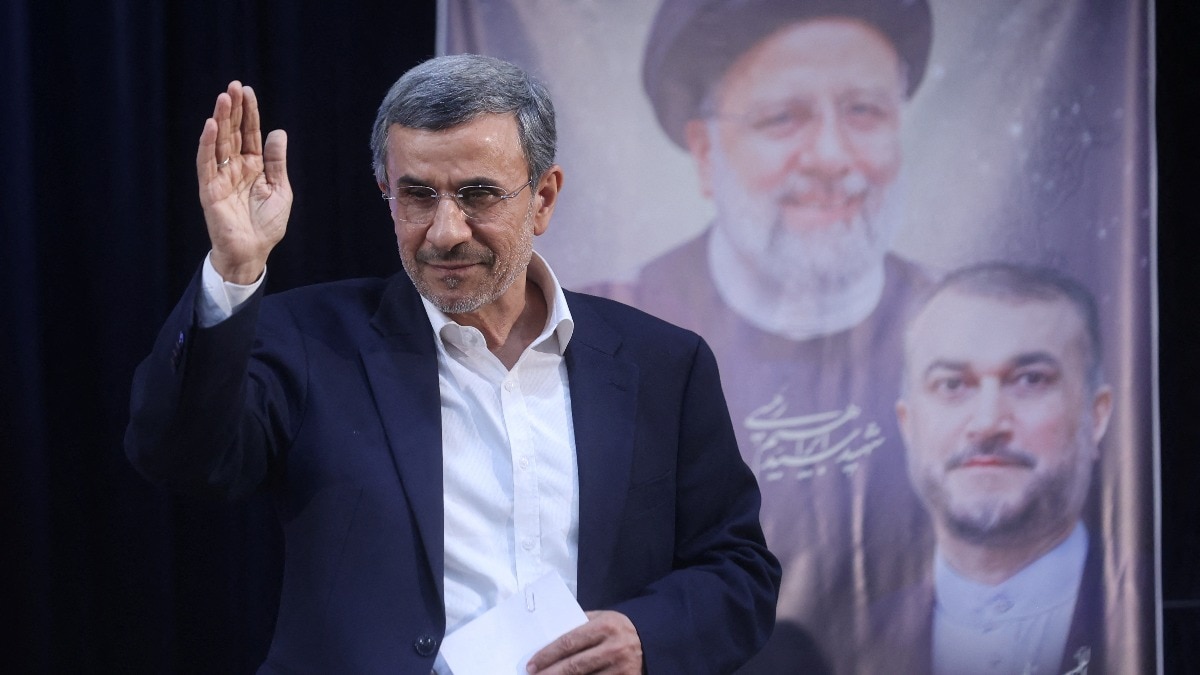
A report published by The New York Times suggests that the United States and Israel had considered the possibility of installing former Iranian President Mahmoud Ahmadinejad as a leader in Iran following a military conflict. The strategic objective behind this approach was to reshape Irans political landscape in favor of Western interests.
The report outlines that discussions regarding this potential plan were motivated by the desire to weaken the Iranian regimes influence in the Middle East. Ahmadinejad, who served as president from 2005 until 2013 and is known for his controversial policies and rhetoric, was perceived by some in Washington and Jerusalem as a potential stabilizing figure in a post-conflict Iran.
However, several factors contributed to the failure of this plan. Ahmadinejads polarizing reputation, as well as the robust support he retains among certain segments of the Iranian population, posed significant challenges to any efforts aimed at his reinstatement. Additionally, the internal dynamics of Iranian politics, including the role of the Revolutionary Guard and the current leaderships consolidation of power, further complicated the feasibility of such an intervention.
Moreover, the evolving geopolitical landscape in the Middle East, including Irans regional alliances and the complexities of international diplomacy, underscored the difficulties inherent in executing such a strategy. The implications of such actions would have reached beyond Iran, potentially destabilizing the region further and impacting U.S. relations with other Middle Eastern countries.
Overall, while the U.S.-Israel partnership has engaged in various strategies to influence Irans political landscape, the prospect of reinstating Ahmadinejad reflects the complexities and uncertainties that characterize Middle Eastern geopolitics.