
WHO Elevates Ebola Outbreak Risk in Congo to Very High Due to Vaccine-Resistant Strain
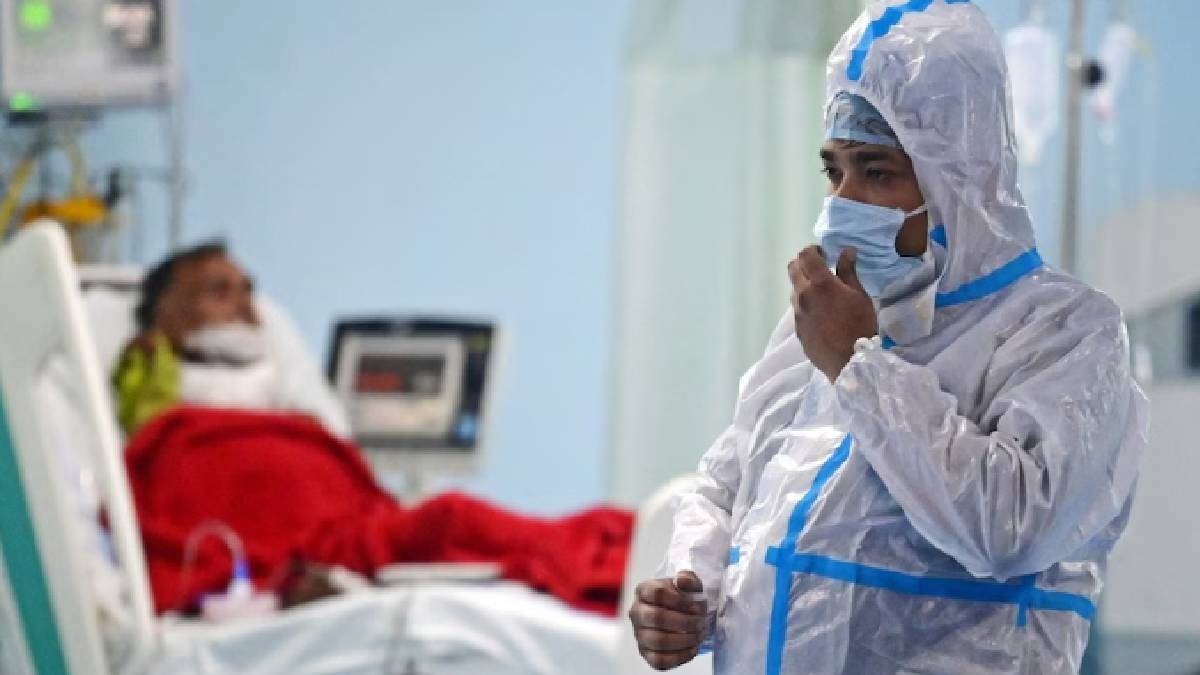
The World Health Organization (WHO) has elevated the risk level for the ongoing Ebola outbreak in Bundibugyo, Democratic Republic of the Congo, to “very high.” This decision comes in response to the detection of a strain of the virus that currently lacks an effective vaccine.
As of late May 2026, the outbreak has raised significant concerns among public health officials due to its potential for rapid transmission and the absence of established vaccination protocols for this particular strain. The WHO has emphasized the need for immediate response measures, including enhanced surveillance, contact tracing, and community engagement to prevent further spread.
Ebola is a viral hemorrhagic fever caused by the Ebola virus, with symptoms that can include fever, vomiting, and internal bleeding. Historically, outbreaks have been challenging to control, often necessitating international assistance.
The WHOs notification underscores the importance of vigilance in public health measures and the necessity for ongoing research and development of vaccines and treatments for various strains of the Ebola virus. Public health authorities are urged to prepare for a comprehensive response to mitigate the impact of this outbreak on affected populations and surrounding regions.