
Rubios Taj Mahal Comment Incites Iranian Critique of U.S. Diplomacy
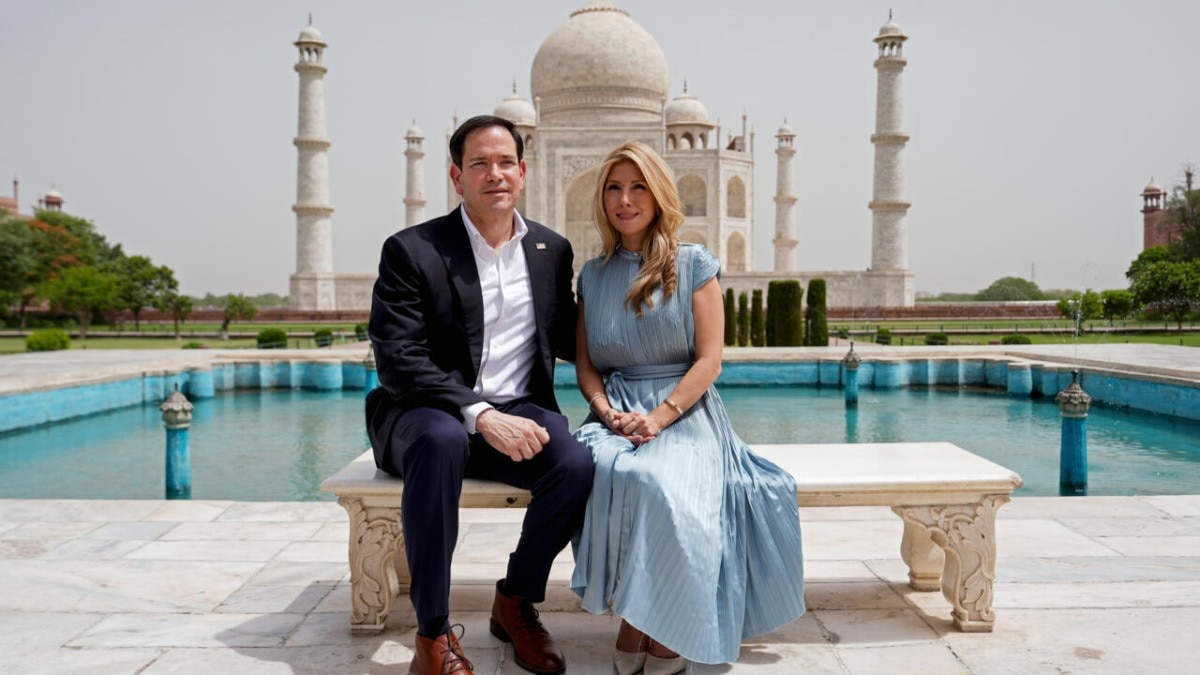
In recent social media activity, U.S. Senator Marco Rubio shared a photograph of the Taj Mahal, accompanied by comments highlighting its architectural beauty and historical significance. This post, however, drew a quick response from Iranian officials, who interpreted the image as a critique of U.S. diplomatic efforts, particularly in relation to international interactions with Iran.
Irans Foreign Ministry spokesperson expressed dissatisfaction with the U.S.s portrayal of historical landmarks, suggesting that such remarks overshadow the nuances of international relations. The statement hinted that this social media interaction reflects ongoing tensions between the two nations, particularly amid contentious discussions regarding nuclear agreements and broader geopolitical strategies.
The Taj Mahal, an iconic symbol of India, is a UNESCO World Heritage Site and is celebrated worldwide for its stunning Mughal architecture. It reflects the rich history of India, characterized by cultural exchanges between various civilizations. Rubios post comes at a time when U.S.-Iran relations are under heightened scrutiny, especially following the U.S. withdrawal from the Joint Comprehensive Plan of Action (JCPOA) in 2018 and the subsequent escalation of diplomatic hostilities.
This exchange highlights the complexities of diplomatic relations in the contemporary geopolitical landscape and the role that cultural symbols play in such discussions.