
Is the Modi-Trump Relationship Evolving?
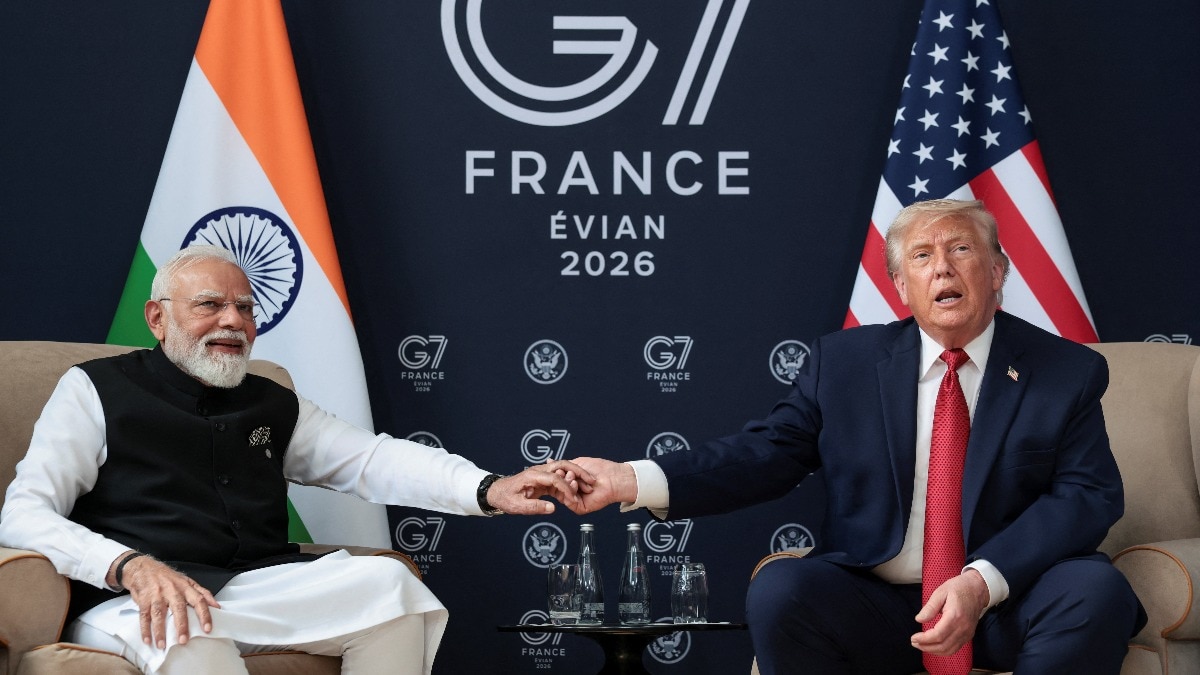
**Title: Shift in Dynamics: Analyzing the Modi-Trump Relationship**
Recent discussions are swirling around the evolving relationship between Indian Prime Minister Narendra Modi and former U.S. President Donald Trump. What once appeared to be a strong camaraderie—often characterized as a “bromance”—is now under scrutiny as both leaders navigate their separate political landscapes.
During Trumps presidency, the alliance between the United States and India flourished, marked by increased defense and trade cooperation. Both leaders shared a mutual admiration, with high-profile visits and public endorsements bolstering their diplomatic ties. However, recent developments indicate a potential shift in this dynamic.
Since leaving office in January 2021, Trump has remained an influential figure in American politics, particularly within the Republican Party. Meanwhile, Modi has continued to assert India’s position on global platforms, focusing on domestic growth and international partnerships. Notably, the rise of Joe Biden as the current U.S. president represents a change in approach towards foreign relations, emphasizing multilateral engagement and addressing issues such as climate change and human rights.
Analysts suggest that this new phase could redefine the relationship between Modi and Trump. While both leaders may still share common interests, their paths might diverge as Modi seeks to strengthen ties with the Biden administration while also navigating Indias own geopolitical interests.
Moreover, the forthcoming Indian general elections could further impact Modis foreign policy approach, as he may pivot towards strengthening diplomatic relations with nations that align with Indias strategic goals. It remains to be seen how this will affect Modis relationship with Trump, especially as Trump continues to cultivate his political influence.
In summary, while it may not be accurate to declare the end of the Modi-Trump relationship, it is clear that a new phase is emerging, influenced by changes in leadership, domestic politics, and global priorities.
Warning: file_get_contents(https://api.ip2location.io/?key=E426288B0A7F71E02A1AAD79349E7CFF&ip=216.73.217.70): Failed to open stream: HTTP request failed! HTTP/1.1 401 Unauthorized in /home/m1newsdesk/public_html/wp-content/themes/colormag-pro/content-single.php on line 202