
“Exploring the Existence of a Caste System in China: Perspectives and Debates”
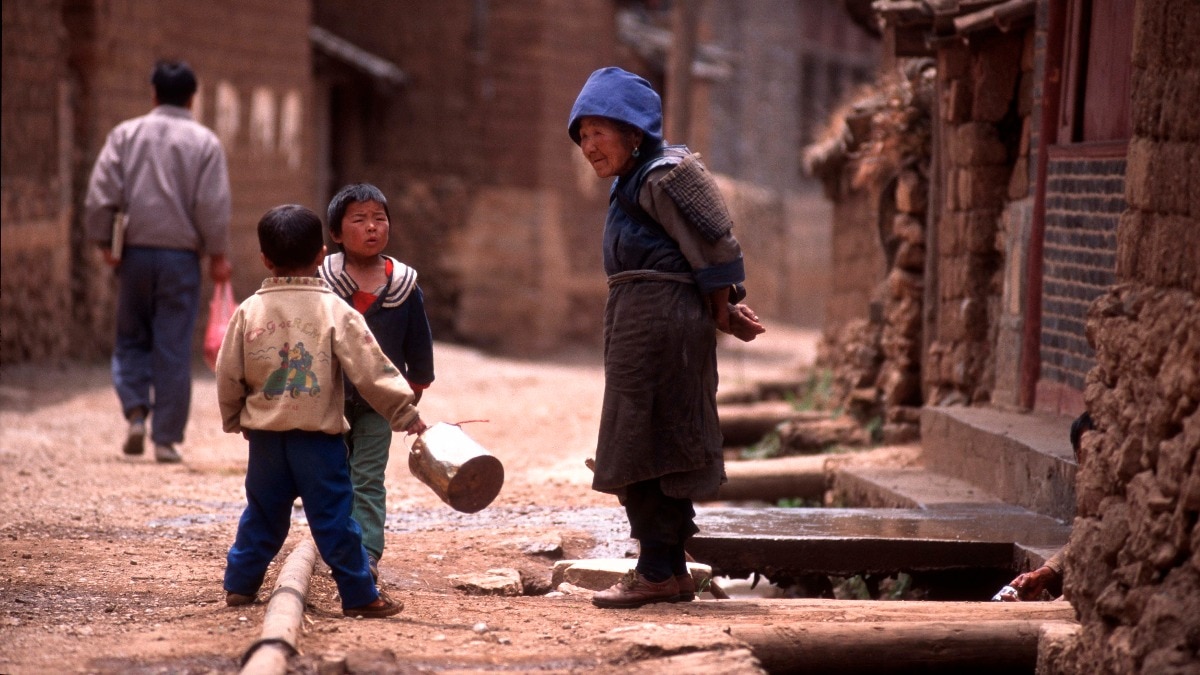
**Debate Emerges Over Caste-Like Discrimination in China**
Recent discussions online have prompted a debate regarding whether China has a system analogous to Indias caste system. While some individuals argue that China possesses its own form of social stratification, rooted in the Hukou system, others believe these claims are exaggerated or misinterpreted by outsiders.
The Hukou system, implemented in the 1950s, categorizes citizens as either rural or urban residents, significantly impacting access to social services, education, and employment opportunities. Urban residents historically enjoy more benefits and privileges compared to their rural counterparts, leading to accusations of systemic discrimination that some liken to caste dynamics.
Critics of this comparison point out that the cultural, historical, and socioeconomic contexts of China and India are distinctly different and argue that it is not accurate to apply the caste system framework directly to Chinese society. However, proponents of the comparison maintain that the deeply entrenched disparities between urban and rural populations exhibit characteristics similar to caste discrimination.
Furthermore, the discussion touches on broader themes of inequality, social mobility, and governance in both nations. As China continues to evolve economically and socially, the implications of the Hukou system on class structure and individual lives remain a critical area of analysis for scholars and policymakers alike. The ongoing dialogue reflects not just on the internal dynamics within China, but also on how these issues resonate across different cultures and nations.