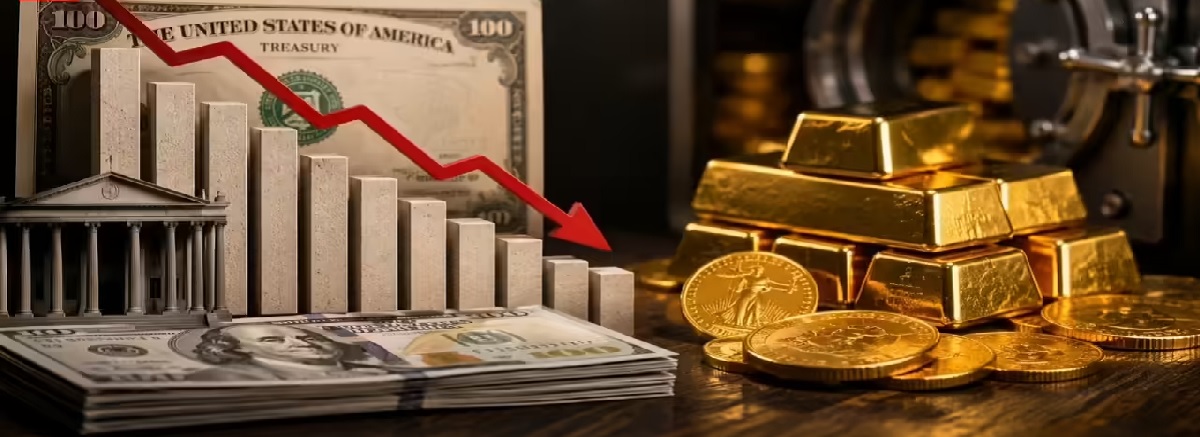
Indias US Treasury Holdings Decline to Near Six-Year Low, Indicating Possible Change in RBI Strategy
In 2022, the strategic significance of gold as a financial asset gained renewed attention following the imposition of Western sanctions on Russia, which resulted in the freezing of a considerable fraction of the countrys foreign exchange reserves. This development highlighted golds role as a resilient reserve asset, capable of maintaining value during geopolitical tensions and economic disruptions.
Historically, gold has been regarded as a safe haven in times of economic uncertainty, and its performance often spikes during periods of market instability. The sanctions against Russia, enacted in response to its actions in Ukraine, prompted countries and investors alike to reassess their asset portfolios, leading to increased demand for gold. As a result, many nations began to diversify their reserves by acquiring gold to mitigate the risks associated with the fluctuations of fiat currencies and volatile financial markets.
As of October 2023, central banks around the world have reported an uptick in gold purchases, reflecting a broader trend towards asset diversification and the incorporation of gold into national financial strategies. The situation emphasizes the ongoing relevance of gold in global economics and its potential implications for future monetary policy and international trade.