
Monsoon Set to Depart as Rain Deficit Reaches 13% Amid Diminishing Expectations
Monsoon Season Approaches Its Conclusion; Rain Deficit Reaches 13%
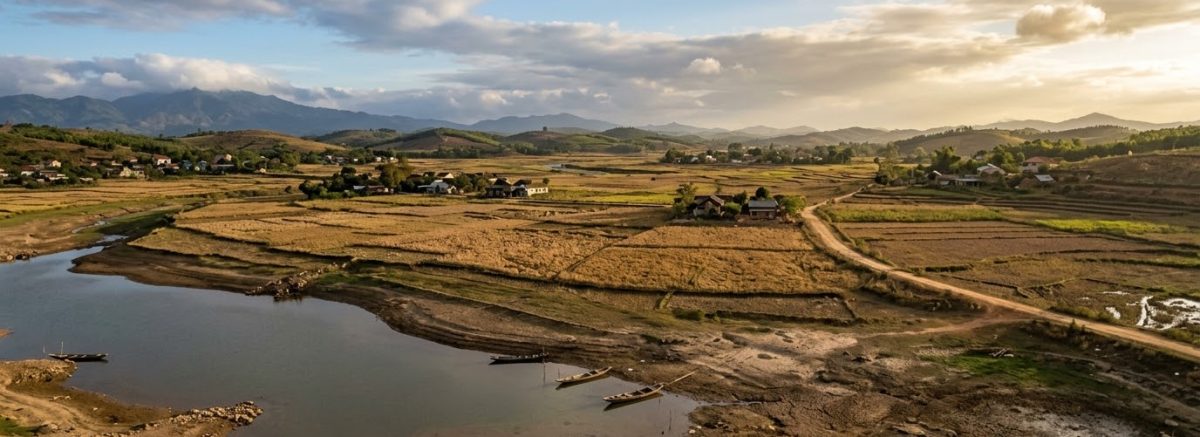
As the monsoon season in India nears its end, reports indicate a rainfall deficit of approximately 13%. The Indian Meteorological Department (IMD) has highlighted the diminishing likelihood of recovering this deficit as the season progresses. The late onset of the monsoon and insufficient rainfall in several regions have raised concerns among farmers, particularly those relying on rain-fed agriculture. The IMDs predictions for upcoming weather patterns and seasonal shifts remain pivotal for agricultural sectors across the country.
Skymet Adjusts 2026 Monsoon Prediction, Highlights Drought Risks
Skymet Weather Services has revised its monsoon forecast for 2026, now estimating a 70% probability of drought conditions due to shifting climatic patterns, including the potential strengthening of the El Niño effect. El Niño is known to disrupt normal weather conditions in India, leading to below-average rainfall. Stakeholders in agriculture, water management, and policy-making are urged to prepare for the accompanying challenges that a drought may pose, particularly for staple crops and water resources.
Kharif Sowing Down by 2% Compared to Last Year, Rice Cultivation Particularly Affected
According to recent agricultural reports, Kharif sowing remains 2% below the levels recorded at the same time last year, with significant declines noted in rice acreage. Factors contributing to this lag include inadequate rainfall in key agricultural states, which has affected farmers planting decisions and crop health. Experts suggest that the decline in rice cultivation could have implications for food security, pricing, and the economy.
Rainfall Deficit Predicted to Continue Due to Intensifying El Niño
A recent analysis anticipates that the ongoing El Niño phenomenon will exacerbate Indias rainfall deficits through September. The climatic changes associated with El Niño often lead to erratic weather patterns, significantly affecting monsoon rains. This development could pose challenges for the agricultural sector, which relies heavily on consistent rainfall during the monsoon for crop growth.
Paddy Acreage Down 3.65% Due to Insufficient Rainfall in Key States
Reports from Karnataka, Jharkhand, and Maharashtra indicate a decrease in paddy acreage by 3.65% attributed to deficient rainfall. The impacts of irregular precipitation have prompted concern among farmers, as these states are crucial for paddy production in India. With key planting periods affected, stakeholders are keeping a close watch on the weather forecasts, which could affect the overall rice supply in the country. Adjustments in agricultural policies may be required to address these challenges effectively.