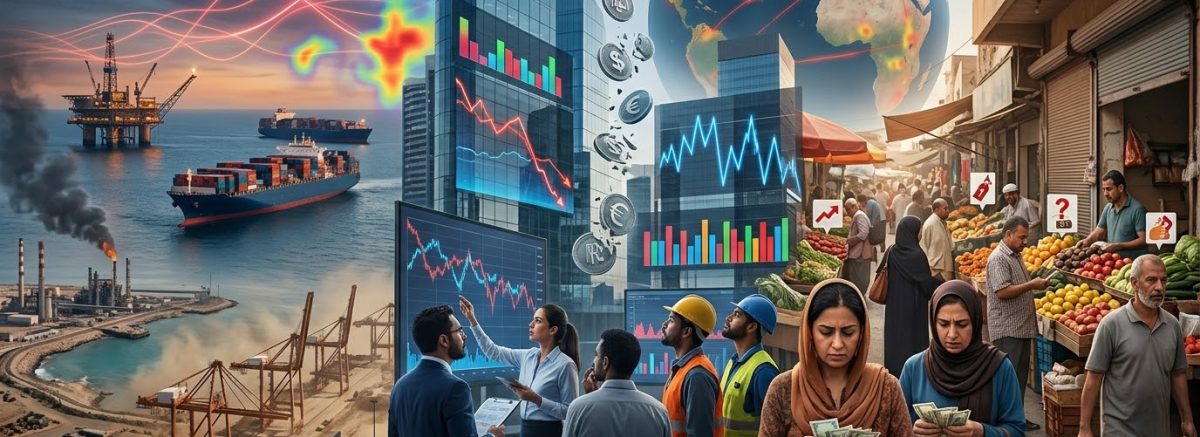
Iran Conflict at Six Months: Analyzing Economic Impacts on Various Stakeholders
Six months into the ongoing conflict, global economic concerns have not fully manifested as predicted. Initially, oil prices experienced a sharp increase due to supply chain disruptions and geopolitical tensions but have since moderated from their peak levels. Financial markets have shown robust recovery, largely driven by optimism surrounding advancements in artificial intelligence, which has revitalized investor sentiment.
However, industries such as airlines and agriculture are grappling with heightened operational costs, which are likely to affect airfares for travelers and could pose challenges to food security. Increased input prices for farmers may further exacerbate the situation, potentially leading to higher food prices for consumers.
Conversely, the conflict has presented opportunities for certain sectors, notably clean energy and defense contractors, which have emerged as significant beneficiaries of the current geopolitical landscape. These industries are expected to see sustained demand as governments and organizations invest more heavily in energy security and defense capabilities in light of ongoing global uncertainties.
As the situation evolves, analysts will be monitoring these sectors closely to understand the long-term implications for the global economy.