The World in 2027: Five Key Factors That May Shape the Future Global Order
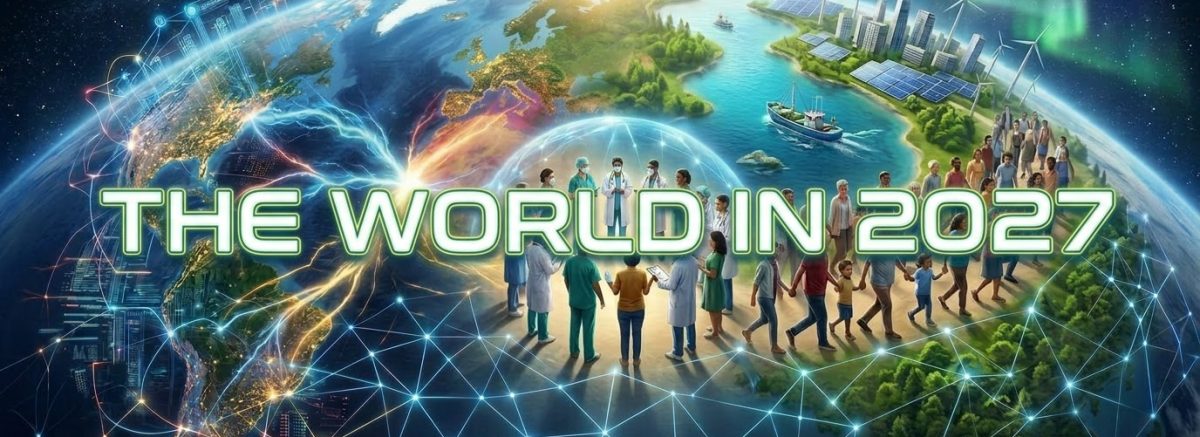
In the coming years, the global landscape is expected to undergo significant transformations, with various factors shaping the future order. As we look ahead to 2027, five key fronts are anticipated to play a crucial role in defining international relations and global dynamics.
Firstly, the geopolitical rivalry between major powers, particularly the United States and China, is likely to intensify. This competition could manifest in various domains, including trade, technology, and military influence. The ongoing tensions in the South China Sea and Taiwan Strait may escalate, prompting nations to reassess their alliances and strategies in response to shifting power balances.
Secondly, climate change is poised to be a defining issue, influencing not only environmental policies but also economic stability and security. As extreme weather events become more frequent, countries will need to collaborate on sustainable practices and disaster preparedness. The urgency of addressing climate change may lead to new international agreements and cooperative efforts aimed at mitigating its impacts.
Thirdly, technological advancements, particularly in artificial intelligence and cybersecurity, will reshape economies and societies. Nations will grapple with the implications of these technologies, including ethical considerations and the potential for increased surveillance. The race for technological supremacy could further exacerbate tensions among countries, as they vie for leadership in innovation.
Fourthly, global health challenges, highlighted by the COVID-19 pandemic, will continue to influence international relations. The need for robust health systems and equitable access to vaccines and treatments will remain a priority. Countries may seek to strengthen global health governance to better prepare for future pandemics and ensure that health resources are distributed fairly.
Lastly, social movements and demographic shifts will play a significant role in shaping the future. Issues such as inequality, migration, and human rights will drive public discourse and influence policy decisions. As younger generations become more politically active, their demands for social justice and environmental sustainability may reshape national and international agendas.
In summary, the world in 2027 is likely to be characterized by heightened geopolitical tensions, urgent climate action, rapid technological change, ongoing health challenges, and evolving social dynamics. These five fronts will not only define the next global order but also require collaborative efforts among nations to navigate the complexities of an interconnected world. As we approach this pivotal period, the ability of countries to adapt and cooperate will be essential in shaping a stable and prosperous future.