
Analysis of Indias Initiative to Transition LPG Users to PNG: Five Key Points
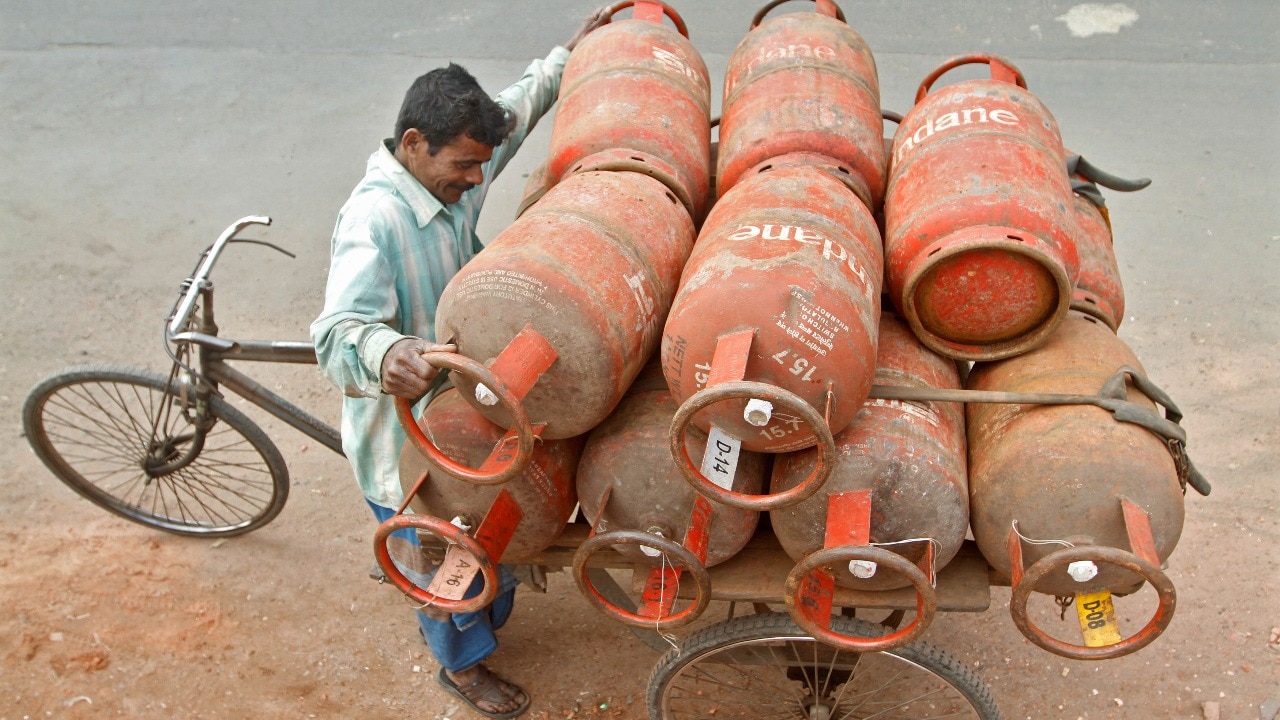
India is encouraging liquefied petroleum gas (LPG) users to transition to piped natural gas (PNG) as part of its broader energy strategy. The push towards PNG involves several key factors:
1. **Environmental Benefits**: Transitioning to PNG is viewed as a cleaner alternative to LPG. Natural gas produces fewer greenhouse gas emissions during combustion, which can help India meet its climate targets and reduce air pollution.
2. **Cost Efficiency**: PNG has the potential to offer cost savings over time. It is often cheaper than LPG, as it is supplied directly through pipelines to homes and businesses. This can lead to reduced costs for consumers, especially in urban areas with existing infrastructure.
3. **Convenience**: PNG provides a continuous supply of gas without the need for refills that are required with LPG cylinders. This reliability can enhance user experience and reduce interruptions in cooking and heating.
4. **Infrastructural Development**: The government is investing in the development of natural gas infrastructure across the country. Expanding the pipeline network and increasing the number of PNG connections can create job opportunities and stimulate regional economies.
5. **Energy Security**: By increasing the share of natural gas in its energy mix, India aims to decrease its dependency on imported oil and gas, thereby enhancing energy security and stability in energy prices.
The Indian government continues to promote policies and initiatives to bolster the use of PNG, as it aligns with its commitment to sustainable energy solutions and aims to facilitate a gradual shift towards more environmentally friendly energy sources.