
Assessment of Indias Progress in Addressing Naxal Insurgency
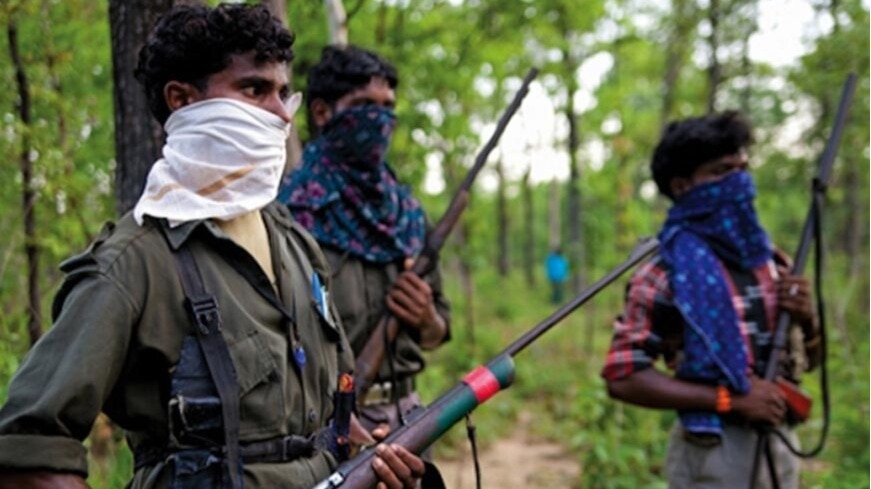
**Amit Shah Sets 2026 Deadline for Eradicating Maoist Insurgency**
In recent statements, Union Home Minister Amit Shah announced a target to eliminate Maoist insurgency, often referred to as “Red terror,” by the year 2026. This ambitious goal has been set against the backdrop of ongoing efforts by the Indian government to combat left-wing extremism, which has affected several states in India, particularly in central and eastern regions.
The government’s strategy includes a combination of security operations, development initiatives, and community engagement programs aimed at addressing the root causes of Naxalism, such as poverty and lack of education. Over the years, the Indian security forces have intensified their operations in Maoist-affected areas, leading to significant gains but also facing challenges related to the geography and local support for insurgents.
This declaration by Shah comes as part of a broader campaign to improve internal security and promote peace in affected areas. The Home Ministry has indicated that more than 80 districts in India are currently impacted by Maoist activities. While the government claims that there has been a reduction in violent incidents attributed to Naxalites, experts suggest that maintaining stability will require long-term commitment to socio-economic development.
In addition to military action, there is a growing emphasis on rehabilitation programs for former militants, as well as initiatives to improve infrastructure and provide better access to education and healthcare in marginalized communities. As the timeline approaches, the effectiveness of these strategies and the ability to sustain a peaceful environment will be critical in achieving the stated goal.
Overall, the eradication of Maoism is not just a security challenge, but also a complex socio-economic issue that requires a multifaceted approach.