
Centre Clarifies Limitations of Freedom of Speech as Sarke Chunar Controversy Enters Lok Sabha
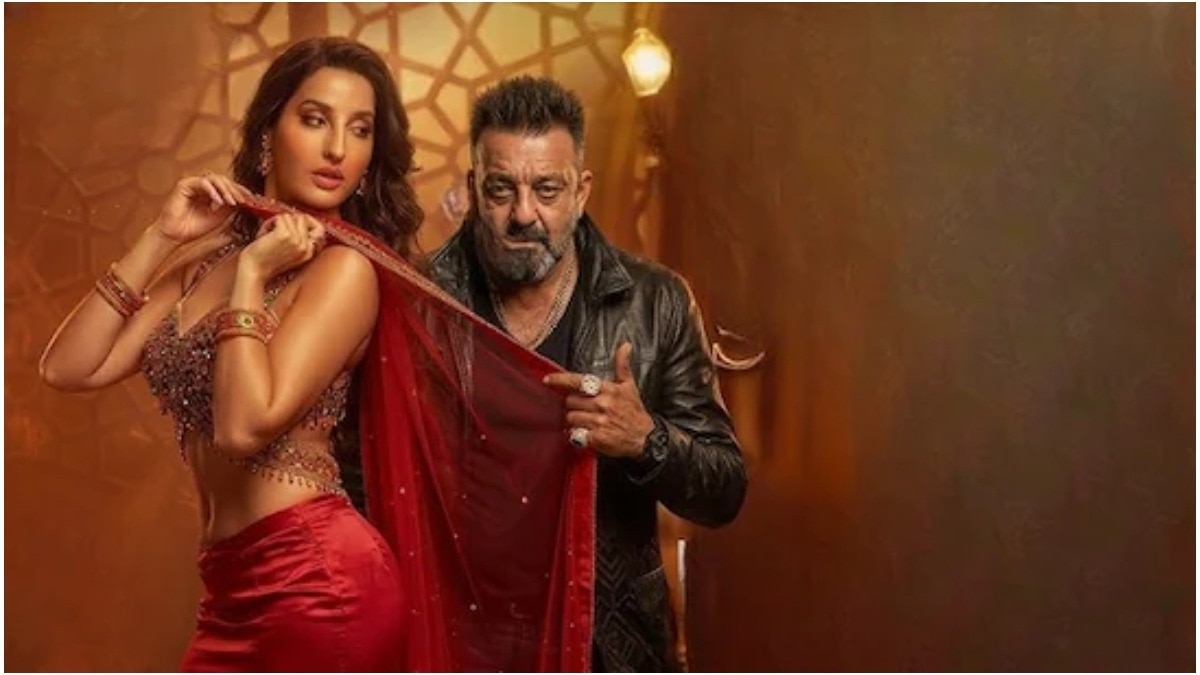
Title: Government Asserts Limits on Freedom of Speech Amid Sarke Chunar Controversy
In response to the ongoing controversy surrounding the song “Sarke Chunar,” the Indian government stated in the Lok Sabha that freedom of speech is not an absolute right. The remarks come amid public and political backlash related to the song, which features popular singer and dancer Nora Fatehi.
The debate gained traction after various segments of society expressed concern over the lyrical content and its implications. Lawmakers discussed the balance between artistic expression and societal standards during the session, highlighting the complexities involved in defining the limits of free speech in the context of cultural narratives.
Union Minister for Information and Broadcasting emphasized that while freedom of speech is a fundamental right enshrined in the Constitution, it also comes with responsibilities and limitations, particularly when it may lead to communal discord or harm social harmony.
The Sarke Chunar row has prompted discussions on censorship, artistic expression, and the role of government in art and entertainment. As this controversy unfolds, it continues to attract varied opinions from different political leaders and cultural commentators, reflecting the broader societal debate on the boundaries of free expression in India.
In light of these developments, further scrutiny is expected on similar content in the entertainment industry and the implications it holds for artistic freedom and societal values.