
Centre Clarifies Limitations on Freedom of Speech Amid Sarke Chunar Controversy in Lok Sabha
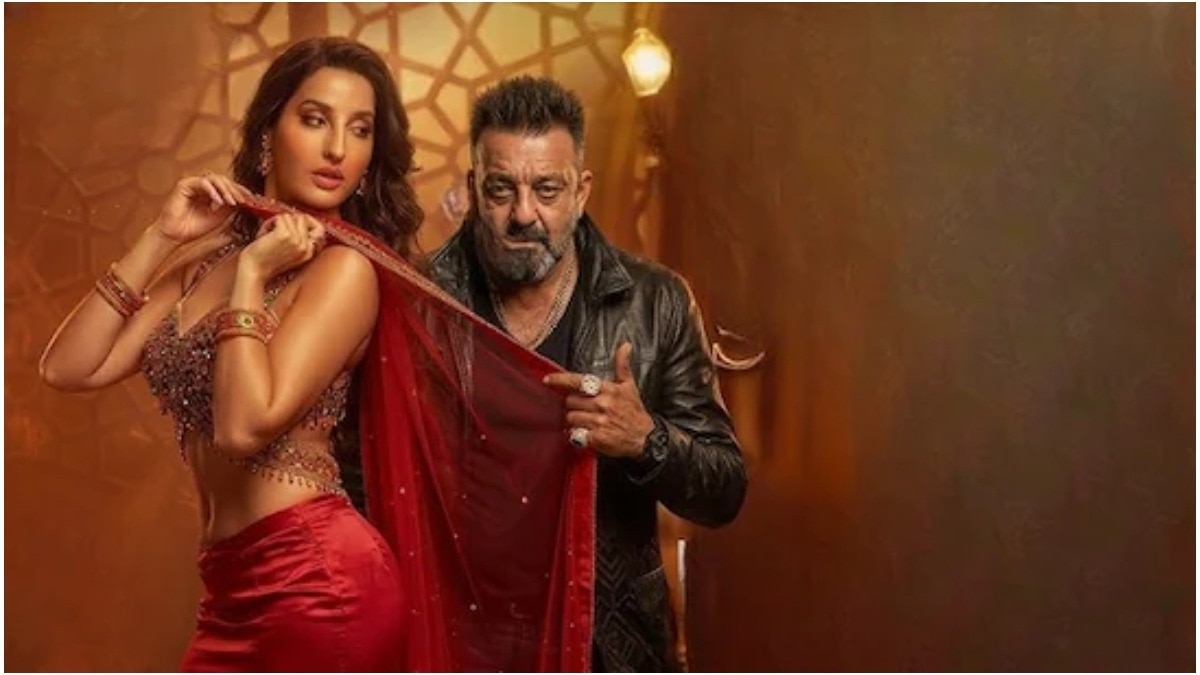
**Government Stresses Limits of Free Speech Amid Sarke Chunar Controversy in Lok Sabha**
In the Lok Sabha session held on March 17, 2026, the Indian government reiterated its stance that freedom of speech is not absolute, referencing the ongoing controversy surrounding the song “Sarke Chunar.” This statement follows backlash against the song, with some members of Parliament criticizing its content as inappropriate and harmful.
The debate gained momentum when several politicians raised concerns about the songs portrayal of women and its potential to perpetuate negative stereotypes. The government emphasized that while freedom of expression is a fundamental right, it must be balanced with responsibility and respect for societal norms.
The “Sarke Chunar” issue has sparked discussions across various platforms, highlighting the tensions between artistic expression and public accountability. Various artists, including Nora Fatehi, who has been associated with the song, have defended their work, arguing for the importance of creative freedom.
As the discourse unfolds, it reflects broader societal debates regarding censorship and the role of government in regulating cultural expressions. The government may consider potential guidelines or frameworks to address similar controversies in the future, aiming to navigate the fine line between protecting artistic expression and upholding societal values.