Trumps Naval Blockade Strategy Following China and Irans Revelations of U.S. Economic Warfare Constraints
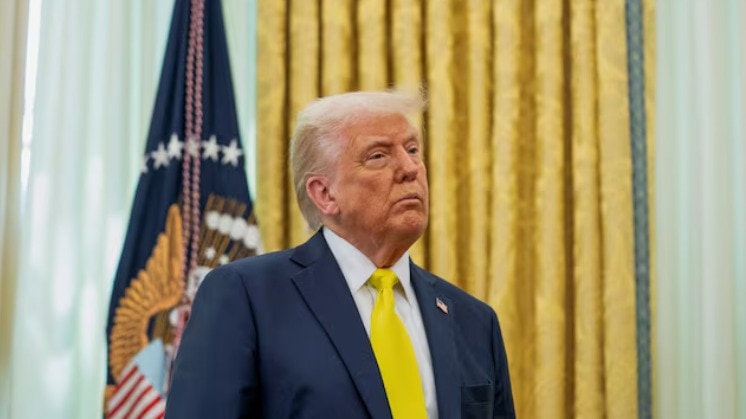
**Trumps Naval Blockade Strategy in Response to Economic Challenges from China and Iran**
Former President Donald Trump has proposed the idea of implementing a naval blockade as a potential response to the growing economic challenges posed by China and Iran. This move comes amidst heightened tensions in international trade and geopolitical relations, particularly concerning rare earth minerals and the strategic Strait of Hormuz.
The Strait of Hormuz is a vital maritime passageway through which a significant portion of the worlds oil supply is transported. Any disruption in this region could have far-reaching implications for global energy markets. Trumps statements suggest a willingness to confront Chinas dominance in rare earth materials, essential components in various modern technologies and military applications. China currently holds a major position in this industry, making its economic leverage significant.
Additionally, tensions with Iran remain a concern, particularly if the United States sees a need to take action to safeguard its interests in the region. Recent developments have raised fears of potential blockades or other forms of economic warfare that could impact international trade.
Its important to note that implementing a naval blockade entails complex legal and military considerations, including the potential for escalation in conflicts with both China and Iran. The international community is closely monitoring these developments as they could significantly influence global economic stability and security.
This proposal reflects a broader trend of seeking more aggressive strategies in international relations, which may have significant repercussions not only for U.S. foreign policy but also for global economic dynamics moving forward.