
Three Potential Scenarios Following Planned US Blockade in Hormuz and Its Global Implications
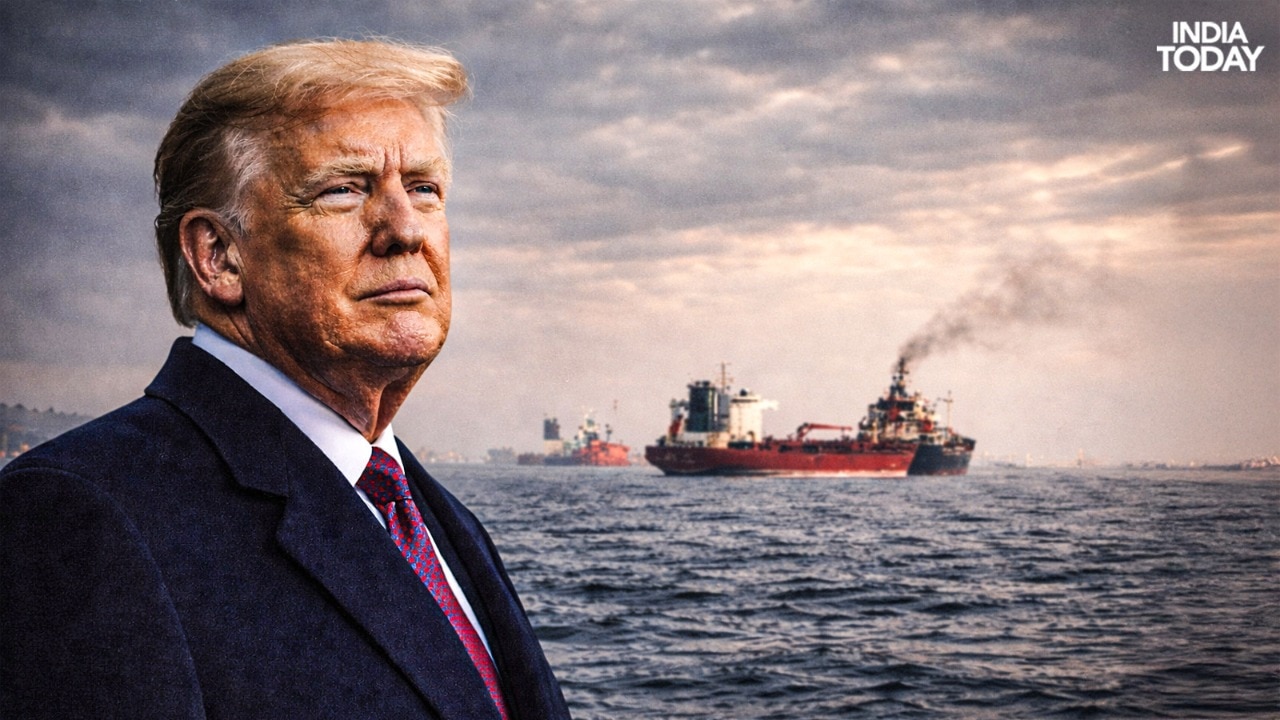
Title: US Naval Blockade in the Strait of Hormuz: Potential Global Consequences
In light of rising tensions in the Strait of Hormuz, the United States government has proposed a naval blockade to regulate maritime traffic through this vital chokepoint. The Strait of Hormuz is a strategic waterway, responsible for the transit of approximately 20% of the worlds oil supply. A blockade in this region could have significant implications for global trade and energy markets.
Analysts have outlined three key scenarios arising from the implementation of a US naval blockade:
1. **Economic Disruption**: A blockade could lead to increased oil prices, negatively affecting global markets. Countries heavily reliant on oil imports, particularly in Europe and Asia, might experience economic strain as energy costs surge.
2. **Geopolitical Tensions**: The blockade could escalate military tensions between the US and Iran, as Iran has previously vowed to retaliate against any attempts to restrict access to the strait. Such escalation could also involve other regional powers, including China, which has substantial trade ties with Iran.
3. **Shift in Trade Routes**: With the Strait of Hormuz being a critical passage for oil and goods, shipping companies may need to explore alternative routes, resulting in longer transit times and increased shipping costs, which could further influence global trade patterns.
Experts emphasize the importance of diplomatic solutions to de-escalate tensions and maintain stable trade routes. As the situation develops, stakeholders from various sectors will closely monitor the implications of a potential US naval blockade in the Strait of Hormuz, recognizing its importance to global trade and energy security.