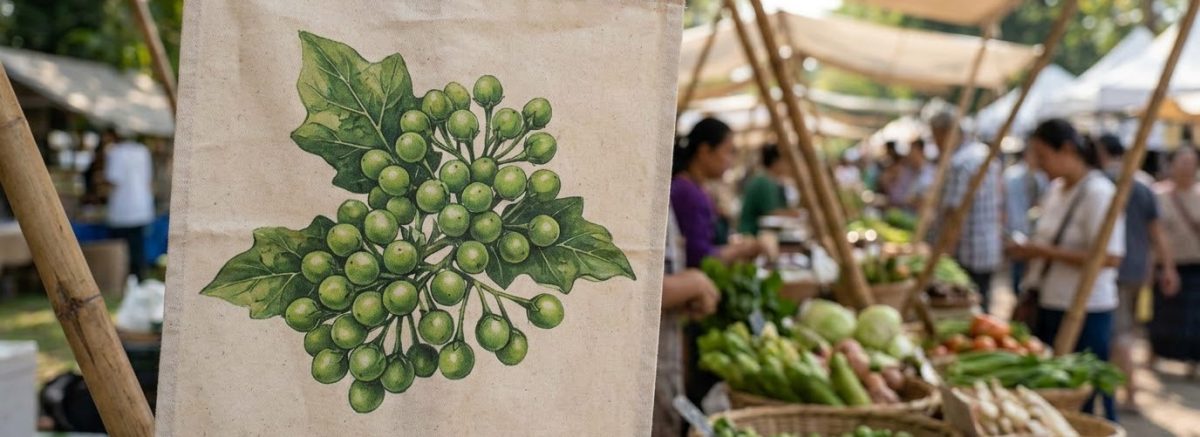
One Stop Solution For All Stomach Issues: Bitter Berries
Sundakkai: The Bitter Berry with a Place in Healthy Living
Our food habits have a direct influence on how we feel, how active we remain and how well our digestive system functions. In our busy lives, irregular eating patterns, changes in routine, stress and the tendency to choose convenient foods can often leave us feeling uneasy, bloated or uncomfortable. While these may appear to be small concerns, maintaining a healthy digestive system is an important part of overall well-being. This is where some of our traditional foods continue to have relevance even today.
Sundakkai, commonly known as bitter berries or turkey berries, is one such traditional food that has been part of household cooking for generations. It is generally used in its dried form for culinary and traditional purposes. Sundakkai contains dietary fibre and nutrients such as iron, calcium and vitamin A, making it a useful addition to a balanced diet. Its naturally bitter taste may not appeal to everyone, especially children, but bitterness has traditionally been an important characteristic of several foods used in Indian cuisine.
Sundakkai has traditionally been valued for supporting digestive health and maintaining regular bowel movements. Including fibre-rich foods as part of a balanced diet can support healthy digestion, while traditional preparations of Sundakkai have long been associated with maintaining stomach comfort. It is also a food that can be incorporated into regular home cooking without making it complicated or unfamiliar. Like any other traditional ingredient, its benefits are best viewed as part of an overall healthy lifestyle rather than as a substitute for medical treatment.
Interestingly, the importance of digestive comfort becomes particularly noticeable among children when their daily routines change. School-going children, for example, may sometimes experience what is commonly described as “butterflies in the stomach.” A new class, a different teacher, examinations, meeting new classmates, participating in activities or simply adjusting to a different daily routine can create excitement, anticipation or nervousness. For some children, these emotions can affect their appetite and digestion, resulting in nausea, stomach discomfort or irregular bowel movements. When children do not eat properly, their energy levels can also suffer, making it harder for them to remain active and attentive through the day.
This is why establishing healthy food and digestive habits can be beneficial not only for children but for the entire family. A child’s ability to concentrate, participate and remain energetic through the school day is closely connected to adequate nutrition, hydration, sleep and regular eating habits. Including traditional foods such as Sundakkai occasionally in the family diet can therefore be a simple way of keeping familiar, nutrient-containing ingredients on the dining table while encouraging children to develop healthy eating habits from an early age.
One of the simple traditional preparations is to fry dried Sundakkai, crush it and mix it with a little ghee, either consumed in a small quantity or mixed with rice. The preparation and quantity can naturally vary according to individual dietary preferences and needs. Rather than viewing Sundakkai as a quick remedy for stomach problems, it is more appropriate to see it as one of the many traditional ingredients that can form part of a varied and balanced diet.
Good health is rarely built around a single food. It comes from consistent habits—eating nutritious food, maintaining regular meal timings, staying hydrated, getting adequate sleep and remaining physically active. Within this larger picture, traditional foods such as Sundakkai can continue to find a meaningful place in modern family diets, offering a simple connection between the wisdom of traditional cooking and the everyday pursuit of better health.
Warning: file_get_contents(https://api.ip2location.io/?key=5623BB69D3A367A919BC37A9D4639830&ip=216.73.217.94): Failed to open stream: HTTP request failed! HTTP/1.1 401 Unauthorized in /home/m1newsdesk/public_html/wp-content/themes/colormag-pro/content-single.php on line 201