
India’s Strategy with Public Libraries
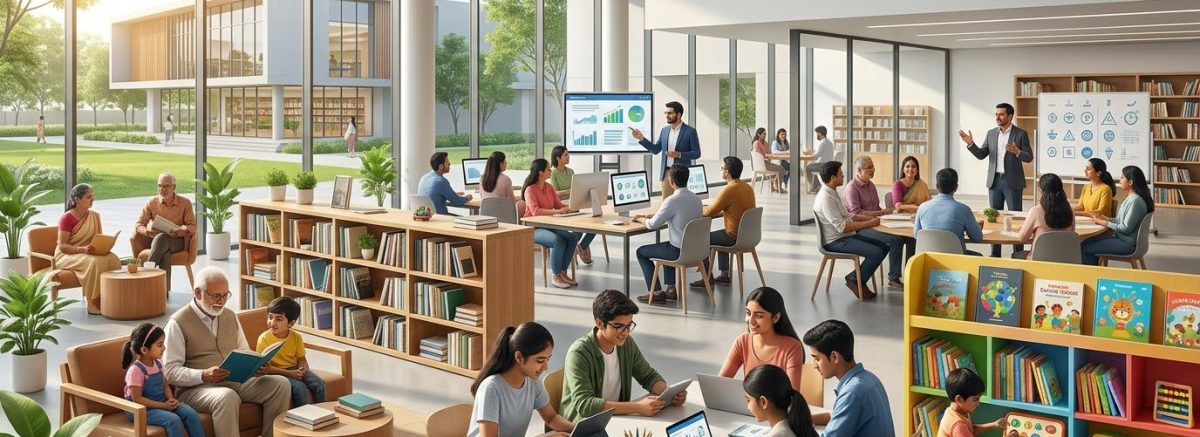
India’s relationship with public libraries is evolving, reflecting broader educational and cultural trends in the country. Public libraries have long served as vital community resources, providing access to books, information, and various programs that encourage lifelong learning and literacy improvement.
Historically, these libraries have offered a space for individuals to engage with literature and ideas, but their role is now expanding to meet contemporary needs. As the digital age influences how people consume information, many libraries are adapting to offer technological resources, internet access, and digital literacy programs. This transition is crucial in ensuring that all community members, regardless of socioeconomic status, can benefit from advancements in technology and education.
Recent initiatives across various Indian states demonstrate a commitment to revitalizing public libraries. Some libraries are modernizing their facilities, integrating multimedia resources, and collaborating with schools to host educational events. Additionally, governmental and non-profit organizations are working together to promote reading habits among younger generations, fostering a culture of inquiry and knowledge-sharing.
Moreover, libraries in India have begun to take on new roles as community hubs. They now frequently host workshops, cultural events, and discussions on social issues, enhancing their relevance in today’s society. By addressing the diverse needs of their communities, public libraries are more than just repositories of books; they are becoming essential spaces for collaboration and creativity.
As India continues to prioritize education and access to information, public libraries stand at the forefront, embodying a commitment to lifelong learning and community engagement. The future of these institutions is bright as they evolve to support the educational and informational needs of an increasingly dynamic society.