
IRGCs Influence Extends Beyond Military to Economic Sectors
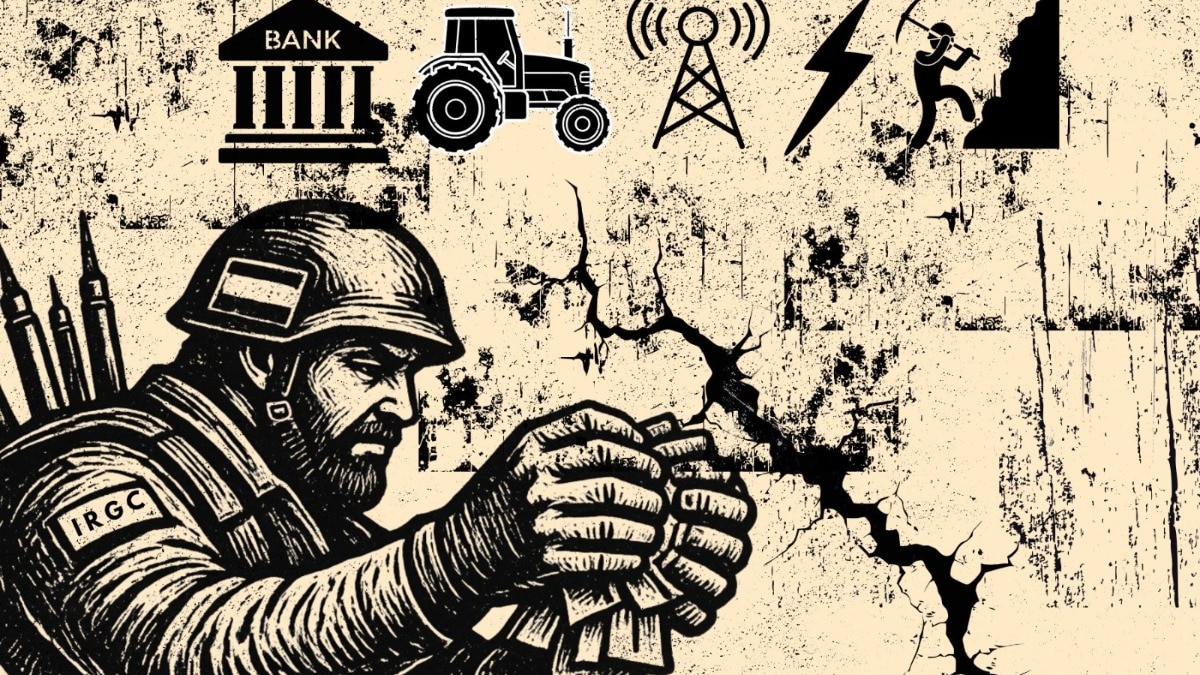
The Islamic Revolutionary Guard Corps (IRGC) of Iran has increasingly extended its influence beyond military endeavors, showcasing significant economic power that shapes the country’s financial landscape. Established in 1979 following the Iranian Revolution, the IRGC plays a crucial role in both the defense sector and various sectors of the economy, including energy, construction, and telecommunications.
Recent analyses indicate that the IRGCs involvement in the economy allows it to exert considerable control over resources and financial markets. This influence stems from its involvement in numerous enterprises and its ability to navigate both domestic and international economic challenges. The IRGC oversees a vast network of companies, often called “front companies,” which operate under various sectors but ultimately funnel profits back to the Corps.
In addition to its economic might, the IRGC engages in political activities that further solidify its position within Iranian governance. By leveraging its economic resources, the IRGC has been able to maintain a strong foothold in Iranian society, impacting both policy and public sentiment.
This multifaceted role of the IRGC raises questions regarding its implications for Irans economic stability and relationships with foreign nations, particularly given the backdrop of ongoing sanctions and international scrutiny. Observers highlight that the IRGCs power could hinder economic reforms and affect Irans ability to engage cooperatively in global markets.
As the IRGC continues to play a pivotal role in shaping Irans economy alongside its military responsibilities, its dual influence remains a crucial aspect of understanding the countrys current dynamics and future trajectories.