
“Potential Versailles Agreement in 2026 and Complete US Withdrawal”
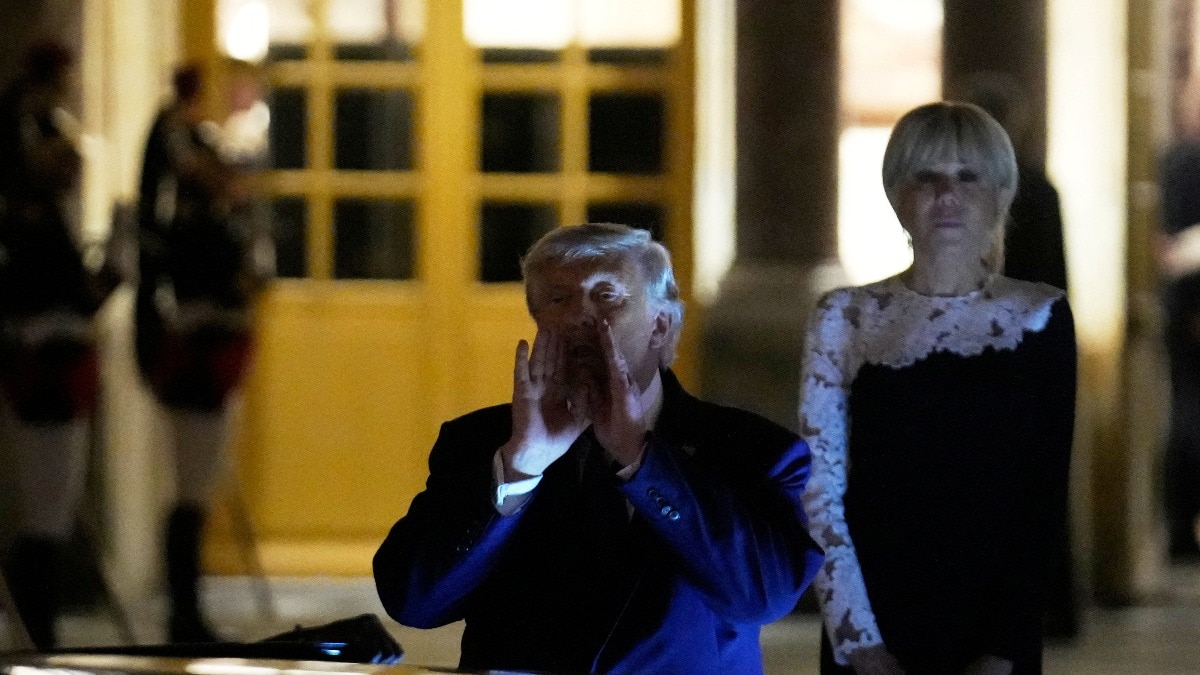
In a recent statement, former President Donald Trump has proposed what he terms a “14-point Iran peace accord,” drawing parallels to the Treaty of Versailles, which aimed to establish peace after World War I. Trump’s proposal, which he suggests could be finalized by 2026, focuses on resolving ongoing tensions between the United States and Iran.
This diplomatic initiative appears to echo historical efforts to achieve lasting peace through comprehensive treaties. The Treaty of Versailles, signed in 1919, aimed to prevent future conflicts following the Great War, yet has been criticized for its harsh terms that some believe contributed to the rise of World War II.
Trumps plan reportedly includes measures to address nuclear proliferation, regional stability, and economic sanctions in an effort to foster cooperation between the two nations. Contextually, relations between the U.S. and Iran have been historically turbulent, particularly following the U.S. withdrawal from the Joint Comprehensive Plan of Action (JCPOA) in 2018, which had aimed to curb Irans nuclear ambitions.
While details of the proposed accord remain sparse, reactions to Trump’s announcement have varied. Supporters herald the initiative as a potential pathway to peace, while critics caution that such ambitious terms may not be achievable given the longstanding grievances and complexities inherent in U.S.-Iran relations. The timeline for the accord aligns with the run-up to the 2026 elections, suggesting a strategic political element to its announcement.
As global players and analysts assess the feasibility and implications of Trump’s vision for a peace accord, the international community continues to monitor developments and their potential impact on regional dynamics and global security.