
“Potential Global Implications of the USs Hormuz Blockade: Three Scenarios Considered”
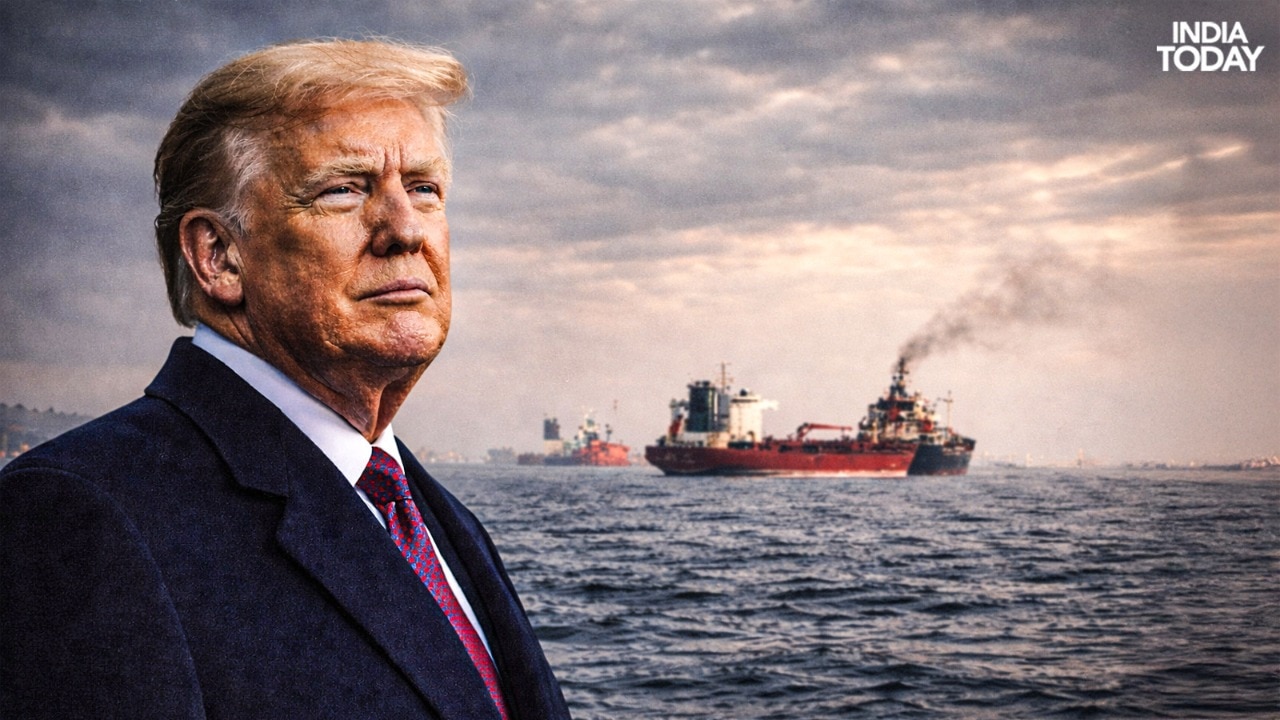
The United States has implemented a naval blockade in the Strait of Hormuz, a key maritime passage for global oil shipments. This measure has raised concerns over potential fallout on international trade, particularly among nations relying on oil imports from the Persian Gulf region.
Analysts have outlined three potential scenarios arising from this blockade. First, an escalation of military tensions between the U.S. and Iran could occur, particularly as Irans government may respond aggressively to what they perceive as an infringement on their sovereignty. A possible military confrontation could disrupt oil supplies, impacting global prices significantly.
Second, the blockade may lead to a rerouting of trade, prompting countries such as China and European nations to seek alternative shipping routes for their oil imports. This shift could have long-term implications for global energy markets and trade partnerships.
Lastly, the blockade has the potential to unify Iranian allies and increase anti-U.S sentiment in the region, potentially leading to a broader conflict involving other nations in the Middle East.
The Strait of Hormuz is a critical chokepoint through which about 20% of the world’s oil passes, making the implications of any disruption particularly significant for the global economy. The situation remains fluid, with international stakeholders closely monitoring developments.