
US-Iran Relations Improve Amidst Challenges for Netanyahu
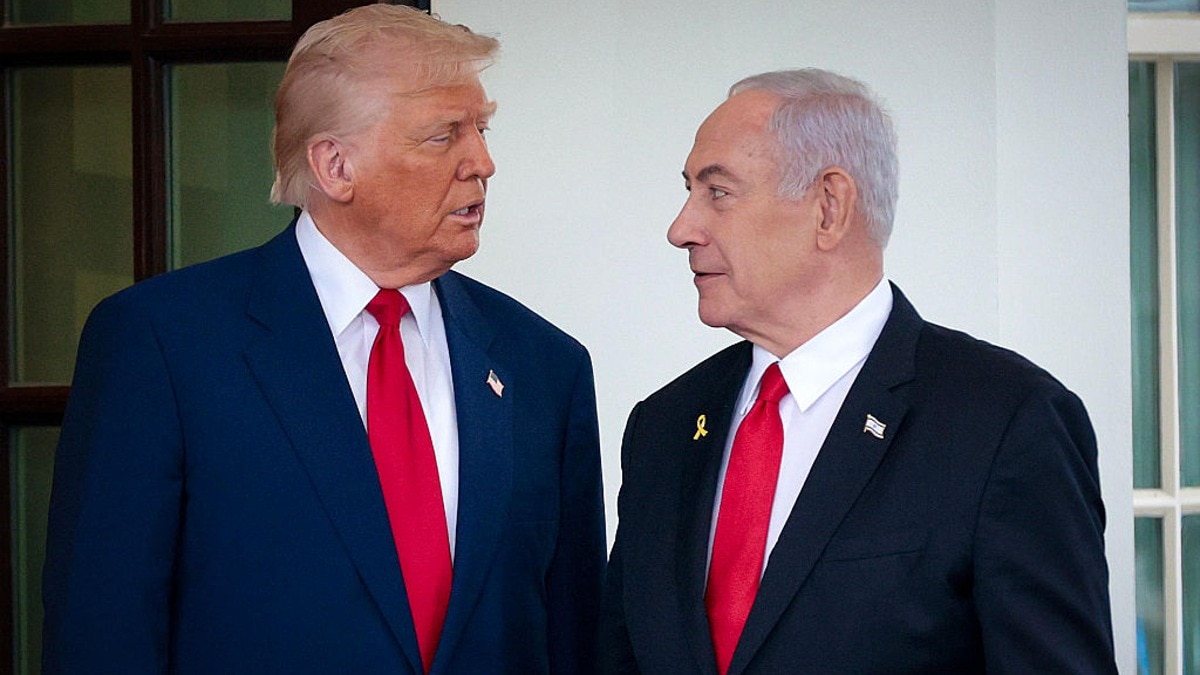
Title: Netanyahu Faces Challenges as US and Iran Move Towards Peace
In recent developments, the United States has taken significant steps towards establishing a peace agreement with Iran, a move that could have profound implications for the geopolitical landscape in the Middle East. Amid these negotiations, Israeli Prime Minister Benjamin Netanyahu appears to be confronting one of the most challenging periods of his leadership.
The potential peace deal marks a notable shift in US foreign policy, which has historically been wary of Iran’s nuclear ambitions and regional influence. The evolving relationship raises questions about the implications for Israel, particularly since Netanyahu has long positioned himself as a primary opponent of Iranian influence in the region.
Analysts suggest that if the United States successfully broker peace, it could reduce tensions in the area and possibly reshape alliances. Netanyahu’s government, however, may perceive this shift as diminishing Israel’s security concerns and strategic leverage. The Israeli Prime Minister has consistently maintained a hardline stance against Iran, urging international leaders to prevent Tehran from gaining nuclear capabilities.
Netanyahus political future may be at stake as he navigates the fallout from these diplomatic changes. Critics and supporters alike are closely watching the American-Iranian relations, as well as Netanyahus response to this evolving situation. The peace deal could either provide a new avenue for cooperation or lead to a backlash within Israel, where national security remains a paramount concern.
The situation is still unfolding, and it remains to be seen how direct negotiations will be conducted and what outcomes will emerge. The international community is also monitoring these developments closely, with implications that could extend beyond the Middle East.