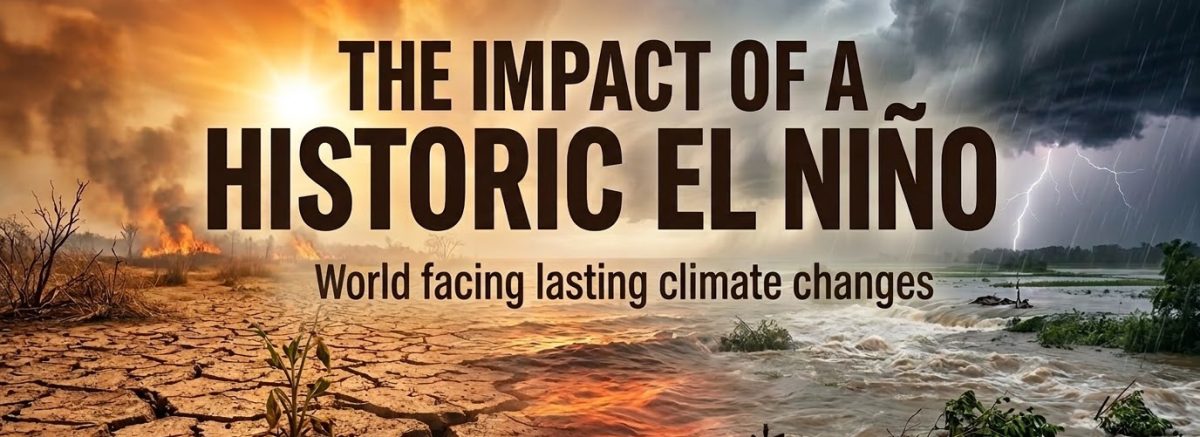
The world may not return to its previous state following the impact of the recent El Niño event.
The world may face lasting changes due to the current El Niño phenomenon, which is being described as one of the most intense events of its kind in recent history. This weather pattern, characterized by the warming of ocean waters in the central and eastern Pacific, has significant implications for global climate and weather systems.
El Niño events typically occur every two to seven years and can lead to a variety of weather-related impacts, including increased rainfall in some regions and droughts in others. However, the current El Niño is notable for its strength and potential to disrupt weather patterns on a global scale. Scientists are observing that the effects of this event may be more profound and long-lasting than previously anticipated.
Research indicates that the current El Niño could exacerbate existing climate challenges, including rising temperatures and extreme weather events. As the planet continues to warm due to climate change, the interaction between El Niño and these ongoing changes may lead to unprecedented weather patterns. This could result in more frequent and severe storms, altered rainfall patterns, and increased risks of flooding and drought in various parts of the world.
Experts warn that the consequences of this El Niño could extend beyond immediate weather impacts. The changes in climate patterns may affect agriculture, water supply, and ecosystems, leading to food insecurity and challenges for communities worldwide. The interconnectedness of global systems means that the effects of this weather phenomenon will not be confined to the regions directly impacted by El Niño but will likely ripple through economies and societies across the globe.
As scientists continue to study the implications of this event, there is a growing consensus that the world may not return to its previous climate norms. The current El Niño serves as a stark reminder of the urgent need for global cooperation in addressing climate change and its associated risks. Policymakers and communities are encouraged to prepare for the potential long-term impacts of this weather phenomenon, emphasizing the importance of resilience and adaptation strategies.
In summary, the ongoing El Niño is not just a temporary weather event but a significant factor that may reshape global climate patterns for years to come. The potential for lasting change underscores the importance of understanding and addressing the broader implications of climate variability in an era of rapid environmental change.