
“Analysis: Key Reasons Behind the FCRA Bill Controversy and Its Temporary Hold”
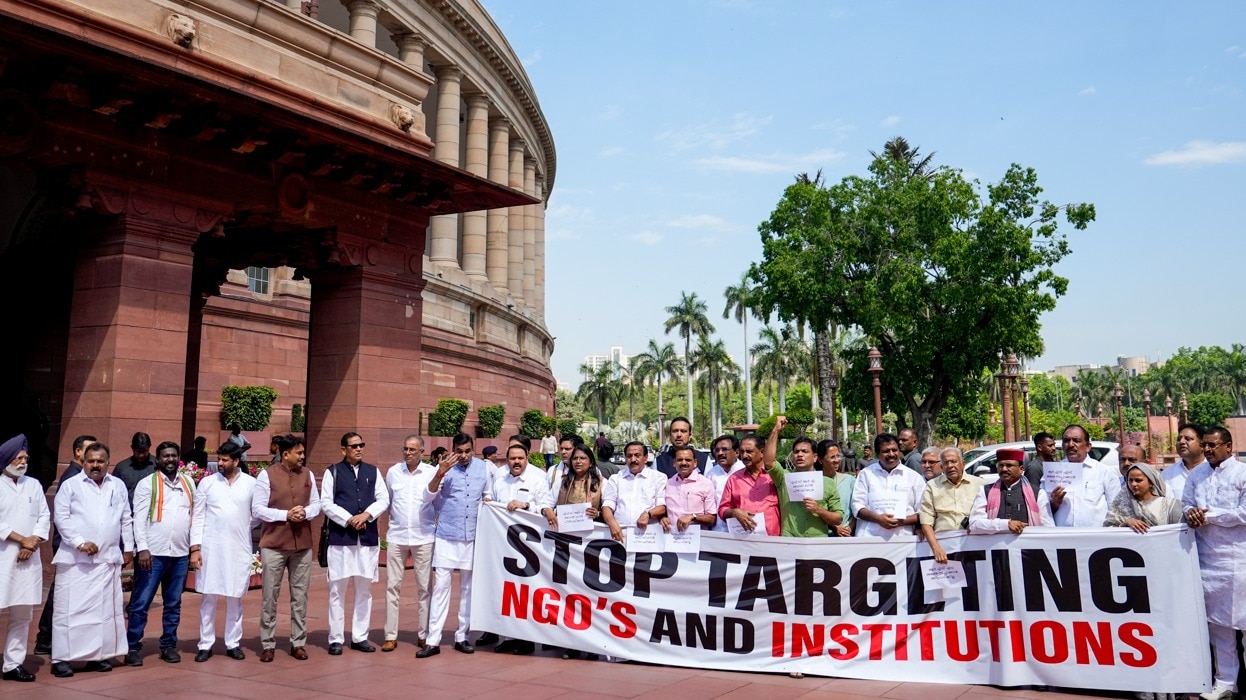
**FCRA Amendment Bill Sparks Controversy, Delayed in Parliament**
The recent proposed amendments to the Foreign Contribution (Regulation) Act (FCRA) have ignited significant debate in India, particularly in relation to their implications for non-governmental organizations (NGOs), especially those linked to religious communities. Here are five critical points explaining the controversy surrounding the bill:
1. **Purpose of the FCRA**: The FCRA was enacted in 1976 to regulate foreign contributions and ensure that such funds are used for activities that align with national interest. The recent amendments aim to streamline regulations surrounding the acceptance of foreign donations by NGOs.
2. **Concerns from NGOs and Political Parties**: Critics, including various NGOs and political leaders, argue that the amendments may impose excessive restrictions on foreign funding, potentially hindering the operations of organizations that address social issues. There are concerns that the changes could disproportionately affect NGOs associated with minority communities, particularly Christians, who rely on foreign support for their initiatives.
3. **Governments Stance**: The government asserts that the amendments are intended to enhance transparency and maintain national security by monitoring foreign contributions more effectively. Officials believe that this could prevent misuse of funds and ensure that contributions serve the intended social causes.
4. **Political Ramifications**: The FCRA amendments have drawn particular attention in light of upcoming assembly elections in several states, including Kerala, where the Christian community plays a significant role in electoral outcomes. Political analysts speculate that the timing of the bill may influence voter sentiment and campaign strategies, leading to heightened tensions.
5. **Current Status**: In response to the backlash, the bill has been temporarily withheld from further parliamentary discussion. Lawmakers are expected to engage in further dialogue to address the concerns raised by various stakeholders before proceeding with the amendments.
As the situation develops, the implications of the FCRA Amendment Bill continue to be closely monitored, with potential impacts on civil society and electoral dynamics forthcoming.