
“Analyzing the Impact of Foreign Aid Funding Cuts on Recent Ebola Outbreak”
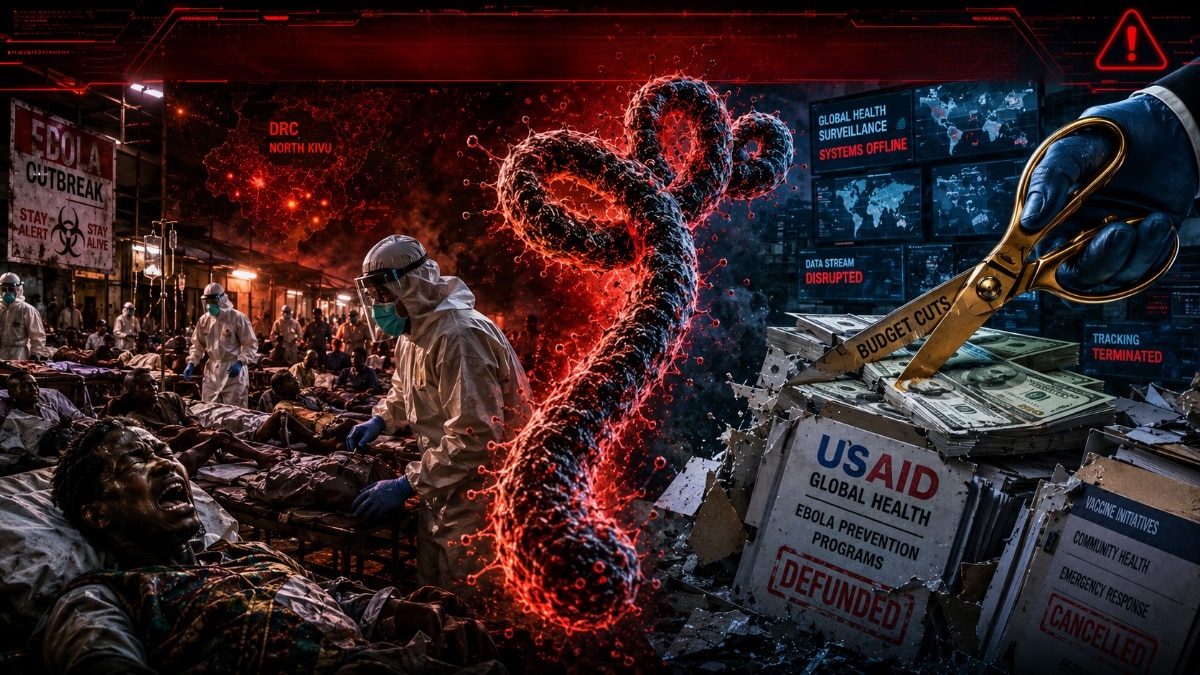
Title: Analysis of Foreign Aid Reduction and Its Impact on the Ebola Outbreak
A recent discussion has emerged regarding the significant Ebola outbreak that occurred in West Africa from 2014 to 2016, which resulted in over 11,000 fatalities. Experts are now examining the hypothesis that reductions in foreign aid funding may have contributed to the severity of this crisis.
Historically, international aid plays a crucial role in supporting health infrastructure and epidemic response capabilities in regions susceptible to outbreaks. In the years leading up to the Ebola crisis, many Western nations and organizations scaled back their financial support for health initiatives in West Africa, focusing instead on domestic priorities and the economic downturns caused by various global events.
By decreasing funding to critical health programs, countries may have inadvertently weakened the preparedness and response capacity necessary to combat infectious diseases. This lack of adequate resources diminished the ability to implement timely surveillance, public health campaigns, and outbreak management strategies, all of which are essential during an epidemic.
In light of the lessons learned from previous outbreaks, health experts and policymakers are now calling for a reassessment of foreign aid strategies. They emphasize the importance of sustained investment in healthcare systems, particularly in vulnerable regions, to prevent future epidemics from spiraling out of control.
Continued dialogue surrounding the balance of aid funding and local health sustainment is vital, as global health security is increasingly recognized as interconnected and of mutual benefit to all nations.