
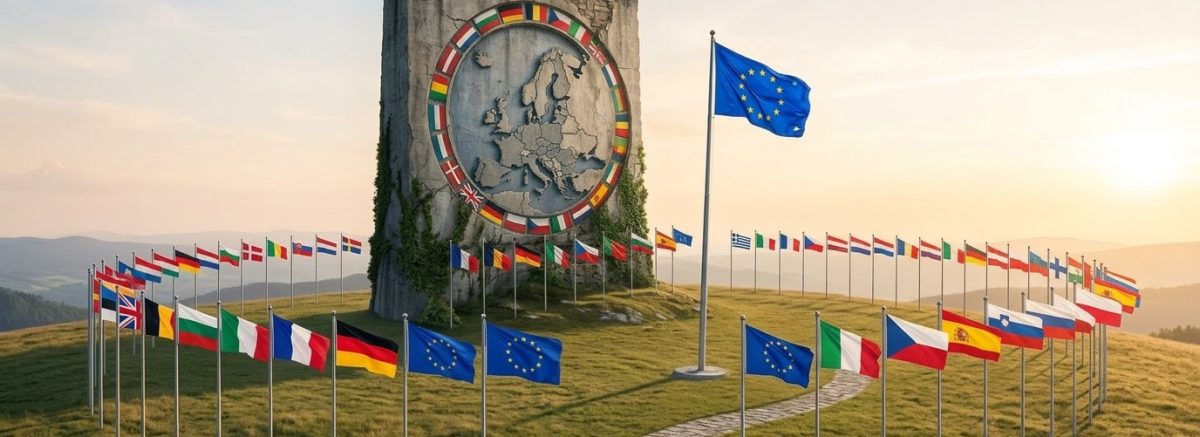
EU Faces Challenges and Risks of Decline Without Prompt Reforms
The European Union (EU) faces significant challenges that could jeopardize its global standing if reforms are not implemented swiftly. As the world evolves, the EU must address its internal issues to avoid becoming increasingly irrelevant on the international stage.
Currently, the EU is grappling with various crises, including economic stagnation, political fragmentation, and social unrest. These challenges have been exacerbated by external pressures such as geopolitical tensions, climate change, and the ongoing impacts of the COVID-19 pandemic. The need for cohesive action and a unified response has never been more critical.
One of the primary concerns is the EUs economic performance. Many member states are experiencing slow growth, high unemployment rates, and rising inflation. This economic malaise not only affects the livelihoods of citizens but also diminishes the EUs ability to compete with other global powers. Without a robust economic strategy that promotes innovation and investment, the EU risks falling behind.
Additionally, political divisions within the EU have become more pronounced. The rise of populism and nationalism in several member countries has led to a fragmented political landscape, making it difficult to achieve consensus on key issues. This division hampers the EUs ability to present a united front in international negotiations and diminishes its influence on the global stage.
Social issues, including migration and integration, further complicate the EUs situation. The influx of migrants has sparked debates over border control and social cohesion, leading to tensions among member states. A comprehensive approach to migration that balances humanitarian responsibilities with security concerns is essential for maintaining stability within the EU.
To address these challenges, the EU must prioritize reforms that enhance its governance structures, promote economic growth, and foster social cohesion. This includes streamlining decision-making processes, investing in sustainable technologies, and developing a cohesive migration policy. By taking decisive action, the EU can strengthen its position as a global leader and avoid the risk of becoming the “sick man of the world.”
In conclusion, the EU stands at a crossroads. The urgency for reform is clear, and the time to act is now. By embracing change and fostering unity among member states, the EU can navigate its current challenges and emerge stronger on the global stage. The future of the EU depends on its ability to adapt and respond effectively to the demands of an ever-changing world.