
“Disparities in Ship Transit Through the Strait of Hormuz: An Investigation”
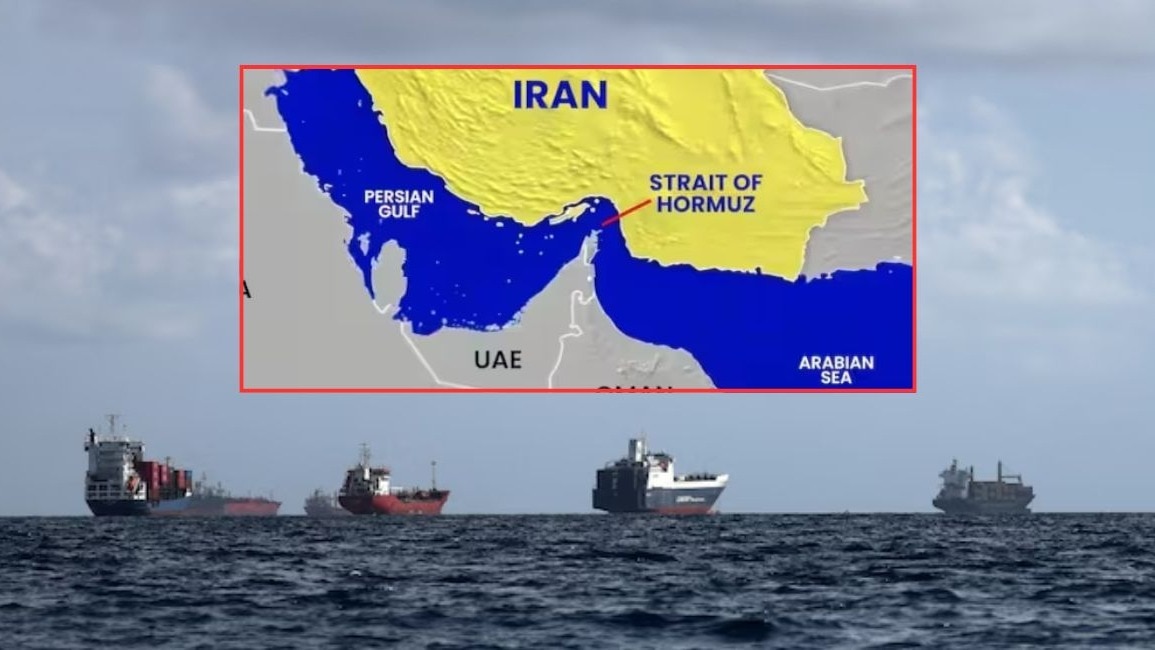
Title: Navigational Decisions by Shipping Vessels in the Strait of Hormuz Amid Ongoing Tensions
In recent weeks, there has been noticeable variation in the navigational choices of ships transiting the Strait of Hormuz, a crucial maritime passage for global oil shipments. While some vessels continue to navigate through the strait, others are opting for alternative routes, raising questions about the factors influencing these decisions.
The Strait of Hormuz connects the Persian Gulf with the Gulf of Oman and serves as a key chokepoint through which approximately 20% of the worlds petroleum passes. The area is strategically significant, and its security is often impacted by geopolitical tensions, particularly involving Iran and its neighboring countries.
Factors influencing the decision for some vessels to divert routes include heightened military activities in the region, shipping insurance costs, and the reputational risks associated with navigating high-risk areas. Recent incidents, such as the seizure of vessels and other confrontations in the Strait, have led some shipping companies to assess their routes more carefully, preferring safer alternatives despite potentially longer transit times.
Shipping analysts indicate that the decision-making process also involves consulting with maritime security firms and closely monitoring official advisories from government maritime agencies. Additionally, the shipping industry is experiencing fluctuating insurance premiums tied to the perceived risk of passing through the strait, further influencing operational choices.
As tensions persist, ongoing assessments of maritime safety and geopolitical developments will likely continue to impact shipping patterns in this critical region.