
“Disparities in Vessel Passage Through the Hormuz Strait: An Analytical Overview”
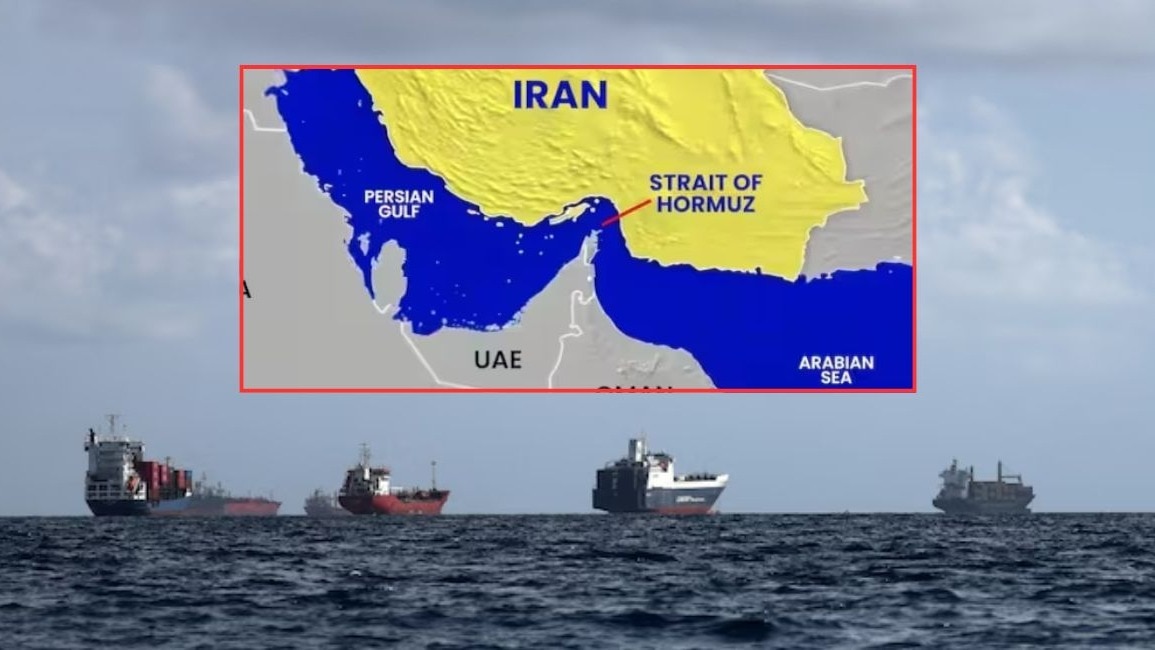
Title: Disparities in Maritime Traffic Through the Strait of Hormuz: Analyzing Recent Trends
The Strait of Hormuz, a critical waterway for global oil transportation, is currently witnessing fluctuations in maritime traffic. While some vessels are navigating this strategic passage, others are opting for alternative routes, raising questions about the influencing factors.
Recent reports indicate that geopolitical tensions, especially between Iran and Western nations, have heightened concerns regarding the safety of vessels traversing this strait. The strait is a narrow channel connecting the Persian Gulf to the Gulf of Oman, through which approximately 20% of the worlds oil supply passes.
Factors contributing to the divergence in shipping routes include variations in shipping company policies, insurance costs, and individual vessel security assessments. Some shipping firms have chosen to reroute their vessels for increased safety, while others continue to use the strait, potentially benefiting from lower transit times and costs.
In response to the evolving situation, shipping industry stakeholders are closely monitoring developments in regional security and diplomatic relations. Maritime analysts suggest that these decisions will likely depend on ongoing assessments of risks, economic considerations, and the geopolitical landscape over the coming weeks.
As this situation unfolds, further insights may emerge regarding the implications for global energy markets and international shipping practices. The Strait of Hormuz remains a focal point of strategic maritime activity, and its significance cannot be overstated.