Electric Vehicle Infrastructure: Addressing Range Anxiety Concerns
**Title: India’s Electric Vehicle Infrastructure: Addressing Range Anxiety Concerns**
As the adoption of electric vehicles (EVs) accelerates across India, infrastructure challenges remain a pressing issue, particularly concerning “range anxiety” among consumers. Range anxiety refers to the fear that a vehicles battery will run out before reaching the destination or the nearest charging point.
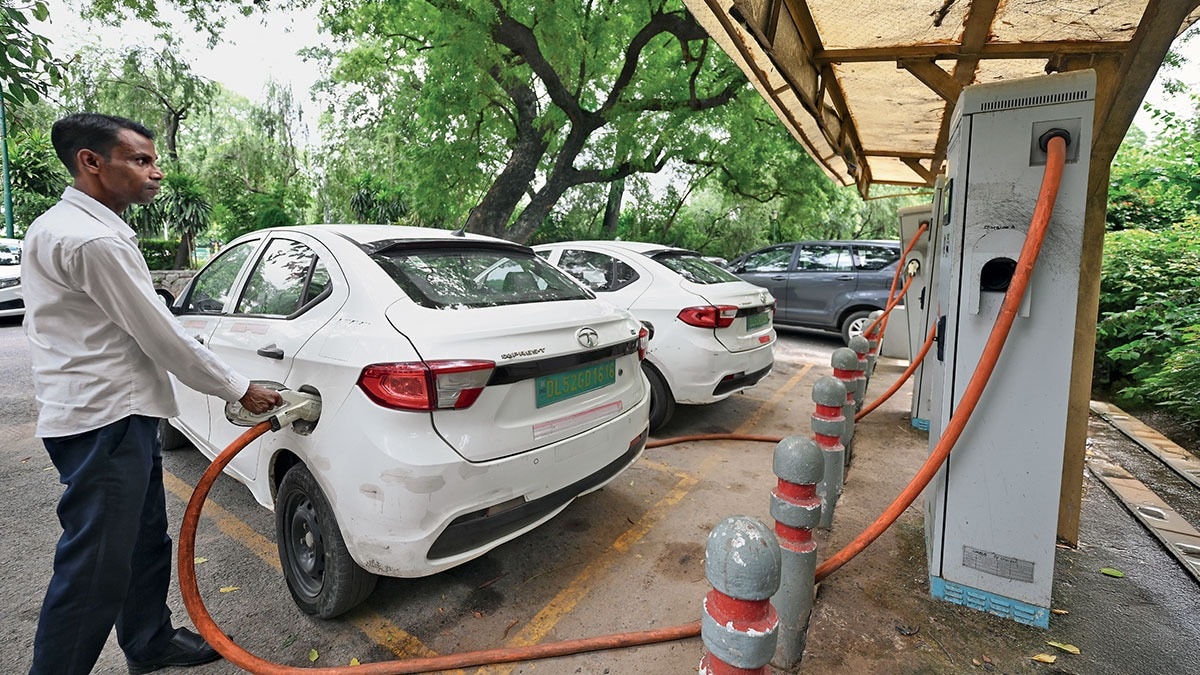
In recent years, India has made significant efforts to enhance its EV infrastructure, with the government implementing various initiatives to promote the adoption of electric mobility. Investments have been directed towards expanding the network of charging stations, particularly in urban areas, where the demand for EVs is expected to grow. Major cities like Delhi, Mumbai, and Bengaluru have seen the installation of charging points in public spaces, workplaces, and residential complexes.
As of 2023, reports indicate that India aims to establish a robust EV charging network by increasing the number of charging stations from thousands to several tens of thousands, in anticipation of a growing EV market. Efforts also include collaborations with private entities to ensure that charging infrastructure is accessible and efficiently managed.
However, challenges remain, including the inconsistency in charging times and the varying availability of charging stations. Many drivers still experience anxiety about finding available charging points during longer journeys, which hinders the widespread adoption of EVs.
Experts suggest that improving battery technology and enhancing the range of EVs will also play a critical role in alleviating these concerns. The Indian government is focusing on encouraging research and development in the EV sector, with policies aimed at facilitating innovation in battery production and sustainability.
As the EV infrastructure continues to develop, stakeholders emphasize the importance of consumer education regarding EV range and charging options, aiming to build public confidence in electric mobility for the future.