
Energy Dynamics Shape the West Asia Conflict
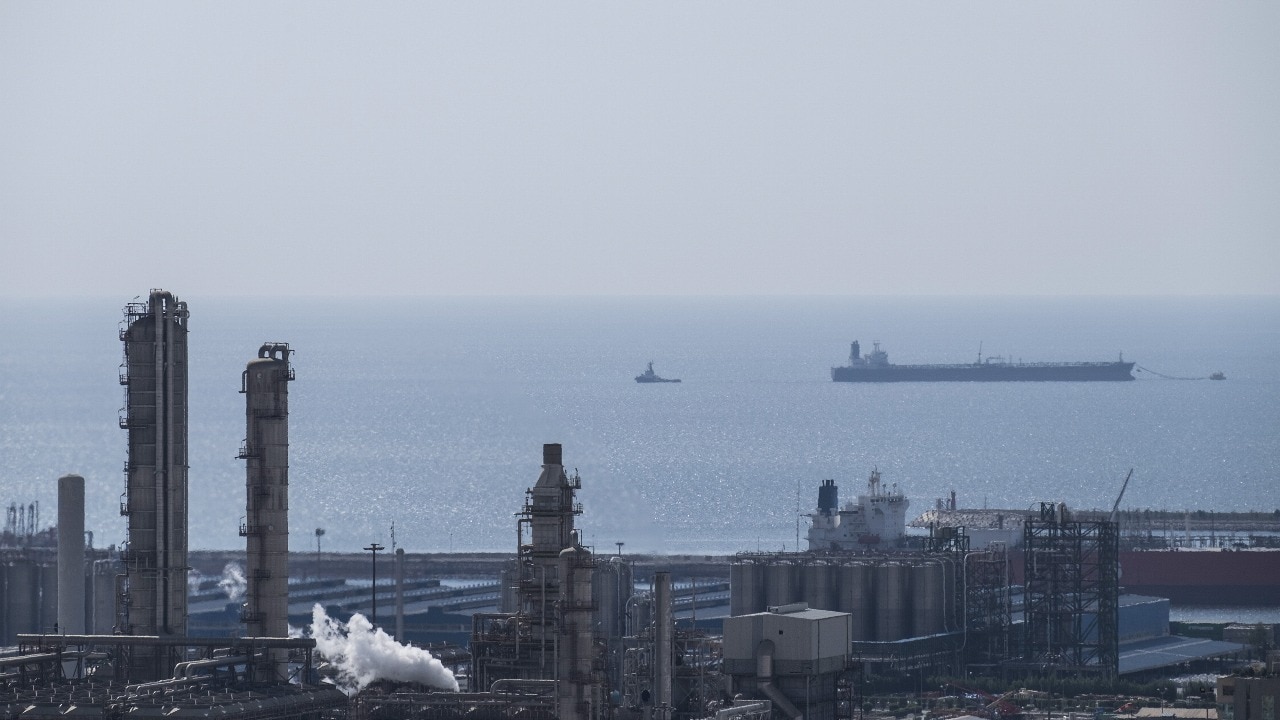
**Title: Energy Dynamics Intensify Conflicts in West Asia**
The complex geopolitical landscape of West Asia is increasingly characterized by energy-related conflicts, as nations vie for strategic control over oil and gas resources. The competition for energy resources has transformed the region into a focal point for global energy security concerns.
In recent years, rising demand for energy, coupled with fluctuating oil prices, has heightened tensions among countries in West Asia. Key players, such as Saudi Arabia, Iran, and Iraq, are engaging in political maneuvers and military posturing to secure their interests. Additionally, the involvement of external powers, who seek to protect their energy investments, complicates the situation further.
The Arab Gulf states have seen a surge in their production capacity, while oil-rich Iran faces economic challenges due to sanctions. This disparity creates an environment where energy dominance is intertwined with national security and political stability. Furthermore, regional conflicts often have roots in energy control, as seen in the Syrian civil war, where various factions have fought over oil-producing regions.
Projections indicate that energy resources will continue to be a critical driver of conflict in West Asia, prompting international stakeholders to reconsider their strategies in the region. As nations adjust to the evolving energy landscape, the potential for diplomacy and cooperation remains precariously balanced against the backdrop of rivalry and competition.
This ongoing energy strife highlights the urgency for comprehensive strategies to stabilize the region and promote sustainable energy practices, which could ultimately contribute to peace and economic stability in West Asia.