
Examining the Durability of Minilateral Alliances: Factors Behind the QUADs Endurance
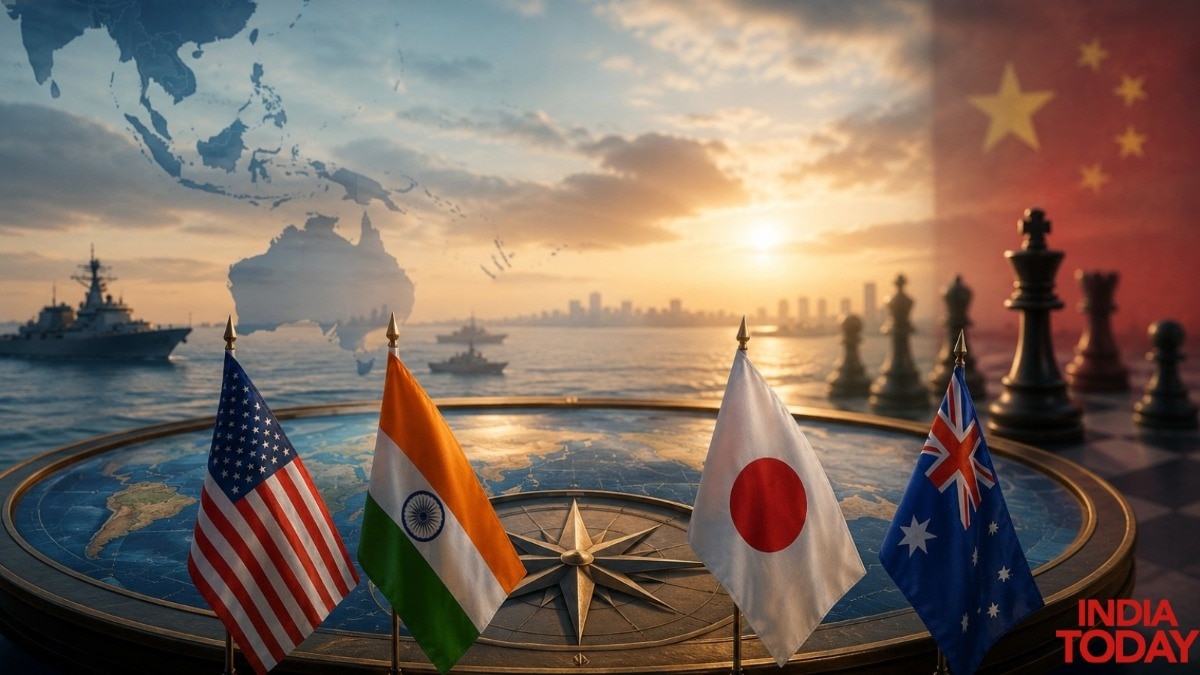
The Future of QUAD: Analyzing the Longevity of Minilateral Groupings
The Quadrilateral Security Dialogue, commonly known as QUAD, has emerged as a significant geopolitical arrangement involving the United States, India, Japan, and Australia. As global dynamics continue to shift, experts are increasingly questioning why some minilateral groupings, like QUAD, thrive while others diminish over time.
Several factors contribute to the durability of groupings such as QUAD. These include shared strategic interests, mutual economic benefits, and a commitment to addressing regional challenges collectively. The QUAD nations have focused on issues such as maritime security, counterterrorism, climate change, and technology cooperation, which helps to solidify their collaboration.
In contrast, other minilateral arrangements may fade due to a lack of clear objectives, differing national interests, or external pressures. Historical examples highlight that without a strong foundation of shared goals and cooperative frameworks, such groups can struggle to maintain relevance in a fast-evolving international landscape.
As QUAD continues to adapt and address pressing global issues, its future will likely hinge on the ability of its members to foster unity and respond effectively to challenges both within their region and beyond. The ongoing geopolitical competition, especially in the Indo-Pacific region, may also play a critical role in shaping the groups trajectory in the coming years.
The dialogue among QUAD nations is expected to intensify, particularly in light of recent developments in security and trade, underscoring the importance of collaboration in an increasingly interconnected world.