
“Examining the Factors Behind High Turnover of UK Prime Ministers Over the Last Decade”
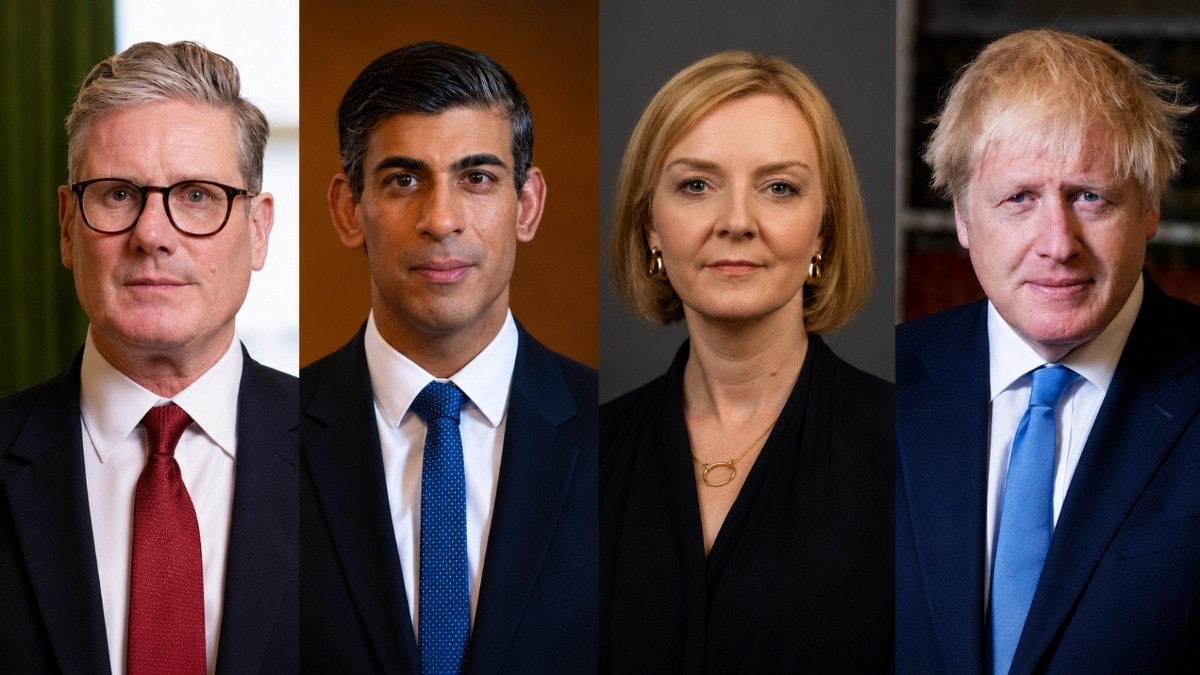
In the past decade, the United Kingdom has experienced an unprecedented level of political instability, resulting in the resignation of seven Prime Ministers. This phenomenon raises critical questions about the factors contributing to the turnover at the highest levels of British government.
One key aspect influencing these frequent changes in leadership is the complex nature of coalition politics and the shifting dynamics within political parties. The Brexit referendum in 2016 marked a pivotal moment in UK politics, leading to deep divisions not only within the Conservative Party but also across the political spectrum, complicating governance.
Moreover, the increasing pressures from both public opinion and party factions, alongside economic challenges such as the cost-of-living crisis and the ongoing impact of the COVID-19 pandemic, have further exacerbated the struggles faced by Prime Ministers in maintaining their positions.
For instance, recent attempts by Prime Ministers to navigate these challenges have often resulted in loss of party support, leading to resignations. Additionally, the role of public trust and media scrutiny in shaping perceptions of leadership effectiveness cannot be overstated.
As the UK continues to navigate these turbulent political waters, analysts suggest that addressing the underlying issues related to governance, party stability, and public engagement will be crucial for any future administration seeking to foster longevity within the office.