
Exploring Indias Gas Infrastructure: A Comprehensive Overview of LNG, LPG, PNG, and CNG Distribution
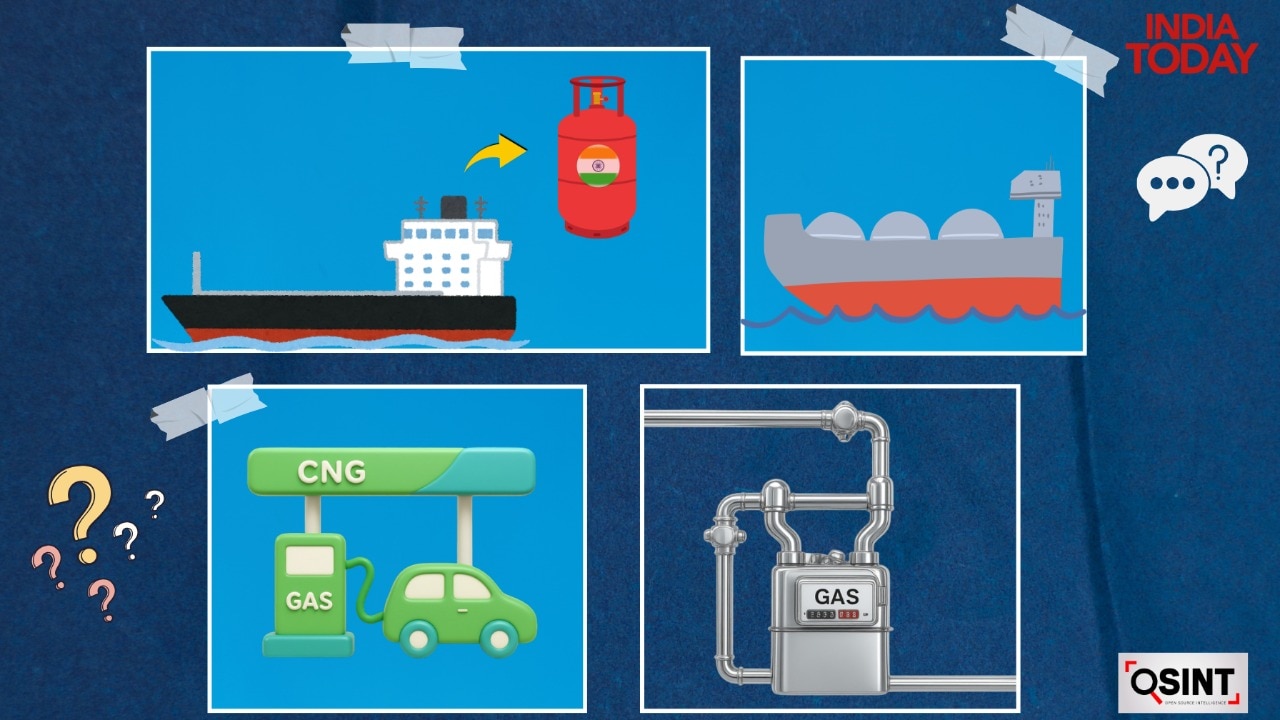
**Indias Gas Infrastructure: A Comprehensive Overview of LNG, LPG, PNG, and CNG**
As India continues to navigate its energy landscape, the significance of various gas sources—namely Liquefied Natural Gas (LNG), Liquefied Petroleum Gas (LPG), Piped Natural Gas (PNG), and Compressed Natural Gas (CNG)—has come to the forefront. These fuels play a crucial role in the countrys efforts to reduce dependence on coal and minimize environmental impact.
**LNG** is increasingly being used as a substitute for traditional fossil fuels in power generation and industrial applications. It is primarily imported and serves as a bridge in transitioning towards cleaner energy sources. Recently, initiatives to enhance LNG infrastructure, including regasification terminals and pipelines, have emerged to facilitate a smoother supply chain.
**LPG** is widely used for household cooking and heating purposes. With government initiatives aimed at expanding LPG availability, particularly in rural areas, there has been a marked increase in the number of users. The Pradhan Mantri Ujjwala Yojana, launched in 2016, aims to provide LPG connections to women from Below Poverty Line (BPL) households, thereby improving access to clean cooking fuels.
**PNG** refers to the natural gas supplied via pipelines for domestic and industrial purposes. This form of gas distribution has gained traction due to its convenience and lower emissions. The development of city gas distribution networks is a major focus area for the government, which aims to expand access to PNG across urban and semi-urban regions.
**CNG**, primarily used in the transportation sector, is recognized for its environmentally friendly attributes compared to traditional fuels. The governments push for electric mobility and cleaner fuels aligns with the growing infrastructure for CNG refueling stations across cities.
Indias commitment to increasing the share of natural gas in its energy mix is reflected in its goal of achieving a 15% share of natural gas in the total energy consumption by 2030. This shift is part of a broader strategy to address the energy crisis, ensure energy security, and fulfill international climate commitments.
In summary, India’s transition towards a diversified gas portfolio is not only aimed at addressing existing energy demands but also at laying the groundwork for a sustainable energy future. As infrastructure development continues, the importance of LNG, LPG, PNG, and CNG in the nations energy security strategy is set to grow.