
Gulf Oil Companies Pursue Alternative Routes to Bypass Hormuz Amid Regional Tensions
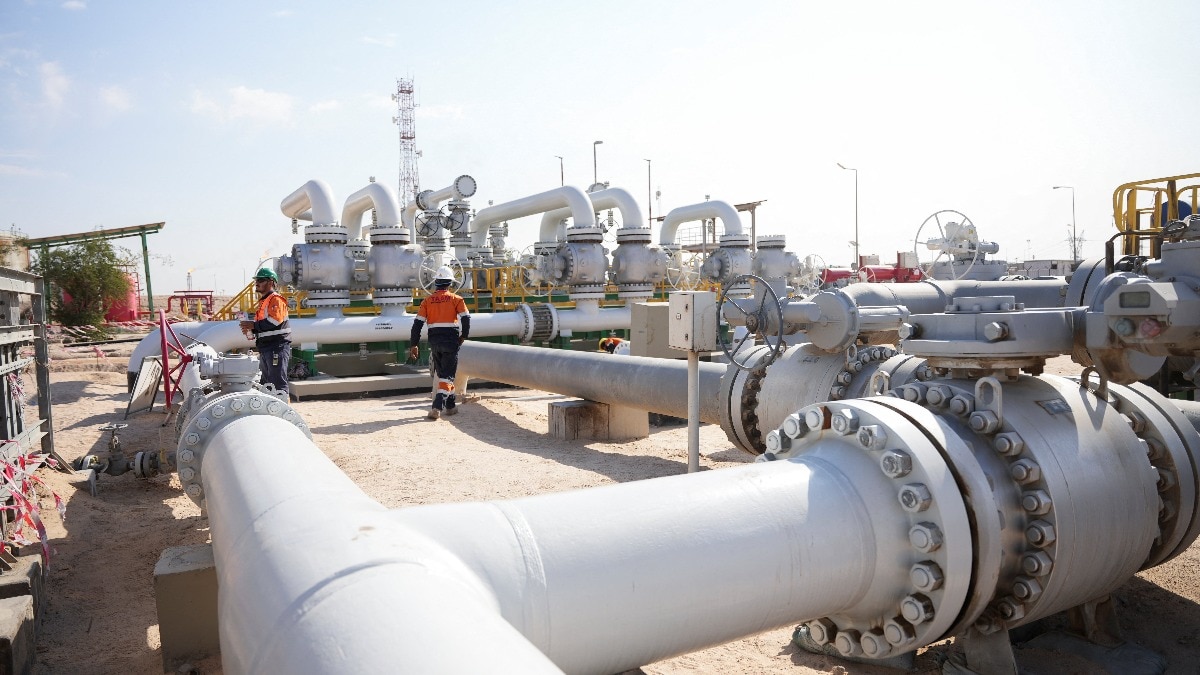
Title: Gulf Oil Nations Intensify Efforts to Enhance Infrastructure Amid Rising Tensions with Iran
In light of escalating tensions in the Persian Gulf and the potential for conflict involving Iran, major oil-producing nations in the region are accelerating their efforts to develop new oil infrastructure and pipelines. These initiatives aim to reduce dependence on the Strait of Hormuz, a critical waterway through which a significant portion of the worlds oil supply is transported.
Recent geopolitical developments have heightened concerns about potential disruptions in the Strait of Hormuz, which is strategically important for global oil trade. As a response, countries including Saudi Arabia, the United Arab Emirates, and Kuwait are investing in alternative routes and infrastructure projects designed to facilitate oil transportation without relying on Iranian-controlled waters.
This proactive approach includes the construction of new pipelines and expanding existing ones to connect oil fields directly to markets in Asia and beyond, effectively circumventing the Strait. Additionally, regional players are collaborating on joint ventures to bolster energy security and ensure a steady supply of oil even in the event of future conflicts.
The growing tension has also led to increased dialogue among Gulf states regarding cooperative security measures to protect shipping lanes and energy assets. As these nations strive to mitigate risks associated with potential Iranian hostilities, the global oil market remains watchful, given its sensitivity to any disruptions in supply.
In summary, while the geopolitical landscape remains uncertain, Gulf oil nations are taking significant steps to secure their energy infrastructure and maintain stability in the world oil market amidst ongoing concerns over Iranian military activities in the region.