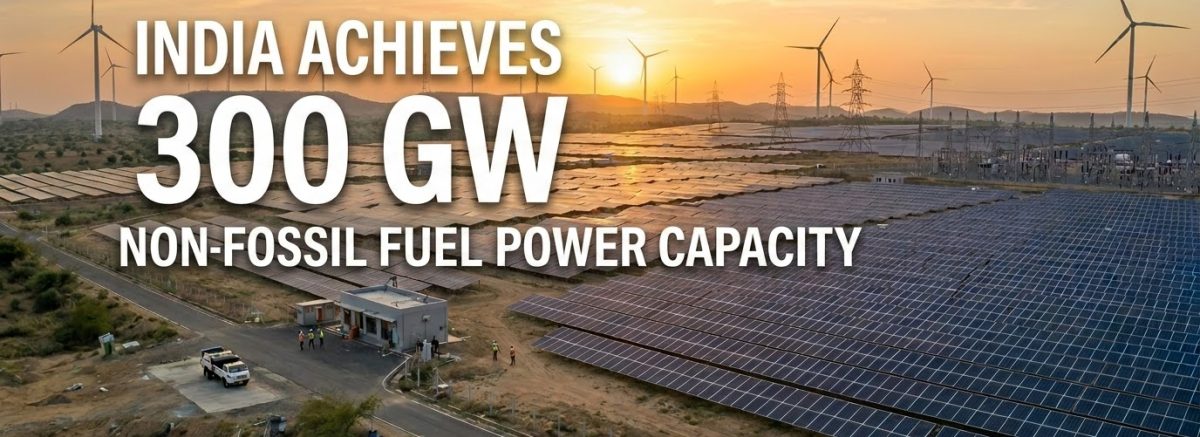
India Achieves 300 GW Milestone in Non-Fossil Energy Capacity Ahead of 2030 Goal
India Achieves 300 GW of Installed Non-Fossil Fuel Power Capacity Ahead of 2030 Target
India has reached a significant milestone by surpassing 300 gigawatts (GW) of installed non-fossil fuel power capacity, marking an important step in the countrys commitment to transitioning to clean energy. This achievement comes ahead of its goal to have 500 GW of non-fossil fuel capacity by 2030, as outlined in Indias Nationally Determined Contributions (NDCs) under the Paris Agreement.
The latest figures, reported by various sources, indicate that India has accelerated its renewable energy expansion, adding over 16 GW of renewable energy (RE) capacity in the first quarter of 2023 alone. Notably, states such as Rajasthan, Uttar Pradesh, and Gujarat have emerged as leaders in this growth, contributing significantly to the national capacity.
Experts emphasize that advancements in energy storage and transmission are essential for the next phase of Indias energy transition. These developments are crucial for ensuring the reliability of renewable energy supply, especially as the country plans to triple its energy capacity to reach approximately 874 GW by the fiscal year 2031-32.
The focus on non-fossil fuel sources aligns with the governments ongoing initiatives to promote sustainable development and reduce carbon emissions. As India progresses on this path, the integration of innovative technologies and modernization of the energy grid will be pivotal in achieving a stable and sustainable energy future.