
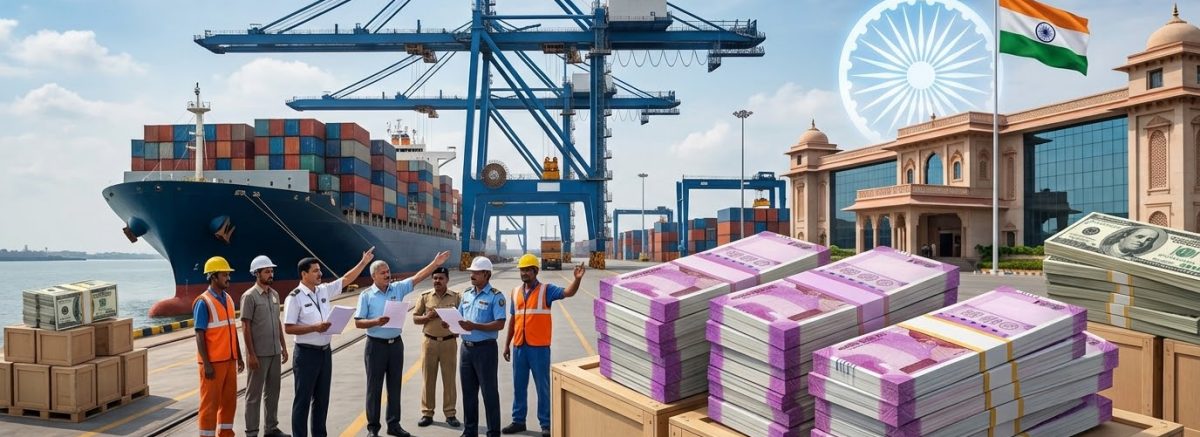
India modifies rupee trade regulations, offering exporters an alternative to dollar transactions.
India has recently announced a significant easing of trade regulations that will allow exporters to conduct transactions in Indian rupees instead of relying solely on U.S. dollars. This move aims to provide Indian exporters with more flexibility and reduce dependence on foreign currency, particularly in the current global economic climate characterized by currency fluctuations.
The Directorate General of Foreign Trade (DGFT) has stated that exporters will now be eligible for various benefits and incentives if they opt for rupee invoicing. This initiative is part of Indias broader strategy to enhance the internationalization of its currency and promote the Indian rupee as a viable option for cross-border trade.
Key details of the new measure include that exporters can invoice in rupees for a range of goods and services, which is expected to streamline payment processes and potentially lower transaction costs. The Indian government hopes that this will make Indian products more competitive in international markets.
While there are expectations for this policy to bolster rupee usage globally, some analysts have pointed out challenges posed by the continued dominance of the dollar in international trade. The Reserve Bank of India (RBI) has been actively pursuing initiatives to promote the rupee, but the transition may take time as the dollar remains the preferred currency for many global transactions.
This adjustment reflects Indias ongoing efforts to strengthen its economy and promote its currency on the international stage, aligning with broader global trends of diversifying trading currencies and reducing reliance on the dollar. As implementation progresses, stakeholders in the export sector will be closely observing how these changes affect trade dynamics and overall economic impact.