
Iran Conflict Mid-Review: Analyzing Performance Metrics
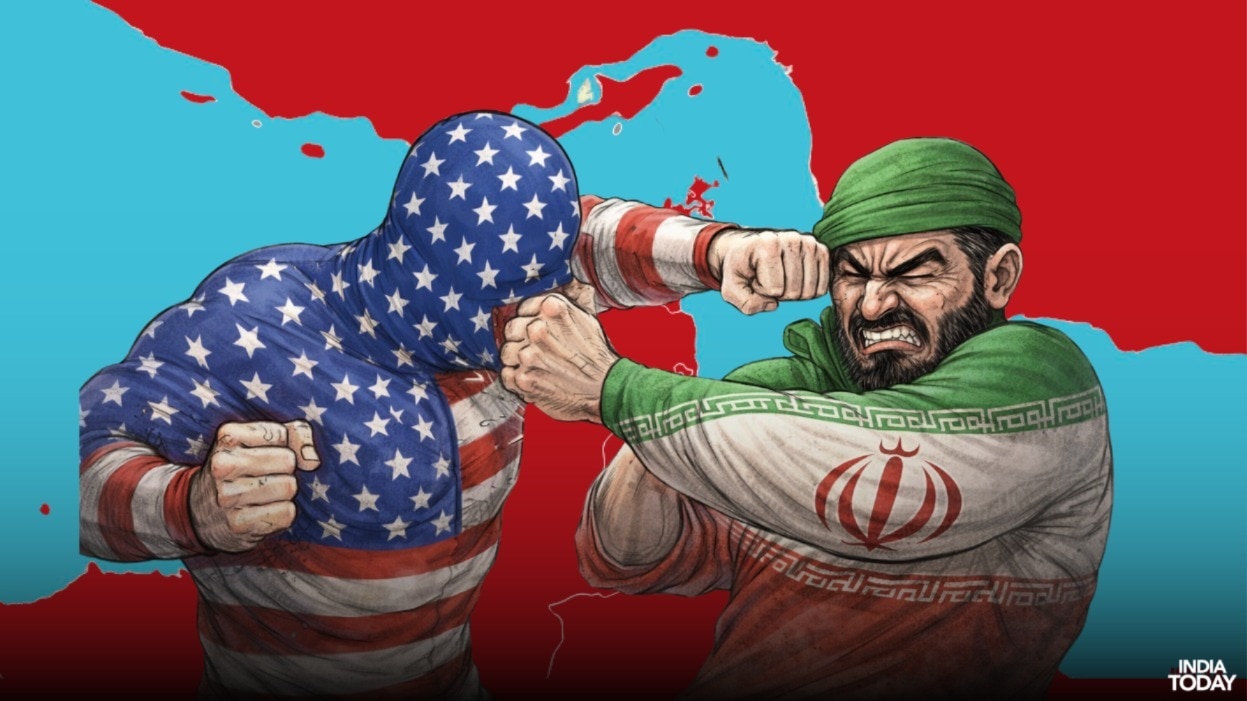
**Title: Analyzing Metrics Amid Ongoing Conflict in Iran**
As the conflict in Iran continues, analysts are assessing various metrics to determine which factions may be gaining an advantage. The ongoing war, which has led to significant humanitarian concerns and geopolitical ramifications, is being examined through a range of factors including territorial control, military capabilities, and public support within the region.
Reports indicate that various armed groups are vying for control, creating a complex landscape where alliances shift frequently. Military engagement statistics, including troop deployments, resource allocation, and casualties, suggest different dynamics at play among opposing forces.
Experts highlight the importance of monitoring not only the immediate military outcomes but also the long-term implications such as economic stability and civilian morale, as these factors will be crucial in deciphering the eventual outcome of the conflict.
International responses and involvement also affect the conflict, leading to an intricate web of influence that could shift the balance of power. Observers are calling for a nuanced understanding of these metrics to provide a clearer picture of the situation as it unfolds.
As the war continues, analysts will be closely watching developments to provide insights into not just the current state of the conflict, but also its potential trajectories into the future.