
Irans Inactive Tanker Stores Crude Offshore Amid Production Limitations and Export Challenges
**Title: Iran Faces Oil Storage Crisis Amidst Export Challenges**
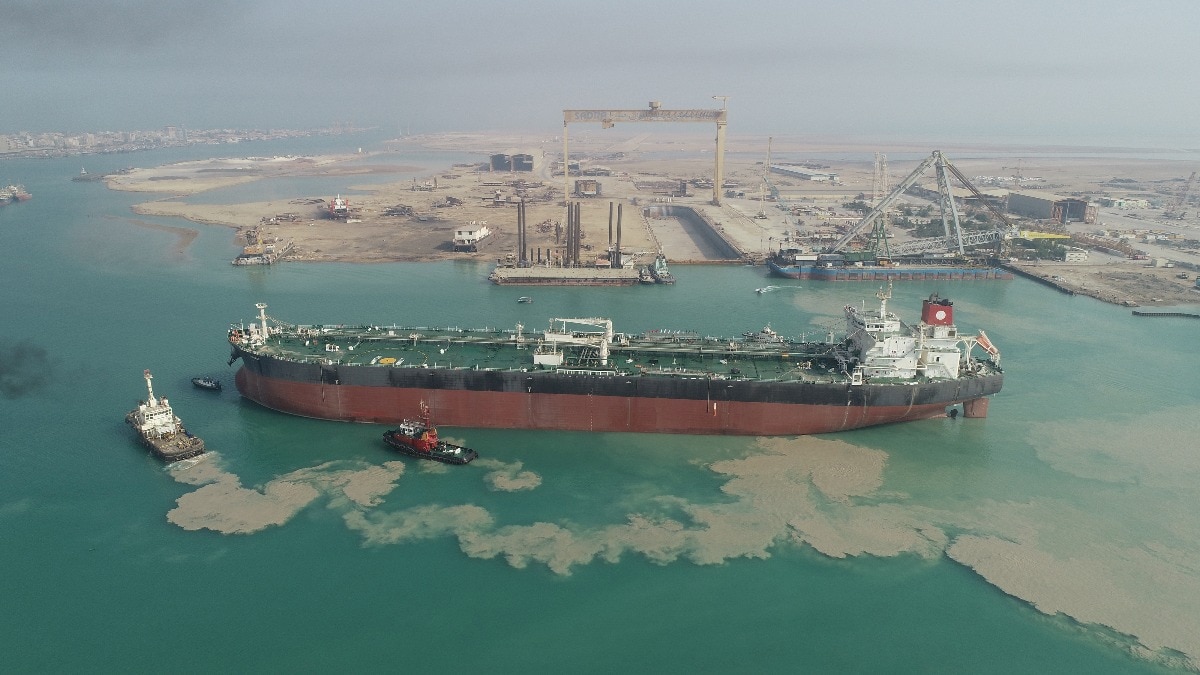
Iran is grappling with a significant oil storage crisis as its aging tankers, including the vessel known as Nasha, remain anchored in the Strait of Hormuz filled with crude oil. This situation arises in the context of ongoing export challenges exacerbated by international sanctions and geopolitical tensions.
As a major oil producer in the region, Irans ability to export its crude has been severely restricted, particularly following the re-imposition of sanctions by the United States. The sanctions aim to limit Irans oil sales, which are crucial for the nations economy. Consequently, the country has resorted to storing excess oil at sea, where tankers are loaded but unable to reach international markets.
Experts estimate that there are currently dozens of tankers idling in the waters near Kharg Island, a significant export terminal for Irans oil, indicating a growing backlog of unsold oil. This backlog not only affects Irans revenue but also poses environmental risks, as prolonged offshore storage can lead to potential spills and other ecological concerns.
The situation is further complicated by Irans inability to increase production levels in light of its existing stockpiles and limited outlets for exports. The dilemmas of maintaining oil production while also managing surplus storage pose ongoing challenges for the Iranian oil industry, which is struggling to adapt to changing market conditions and international pressures.
As the global oil market faces fluctuating demand and supply issues, stakeholders are observing Irans next moves closely, particularly concerning the potential for bilateral negotiations aimed at easing sanctions or addressing regional tensions that directly impact oil flows.