
Questions Arise About Power Dynamics in Irans Leadership
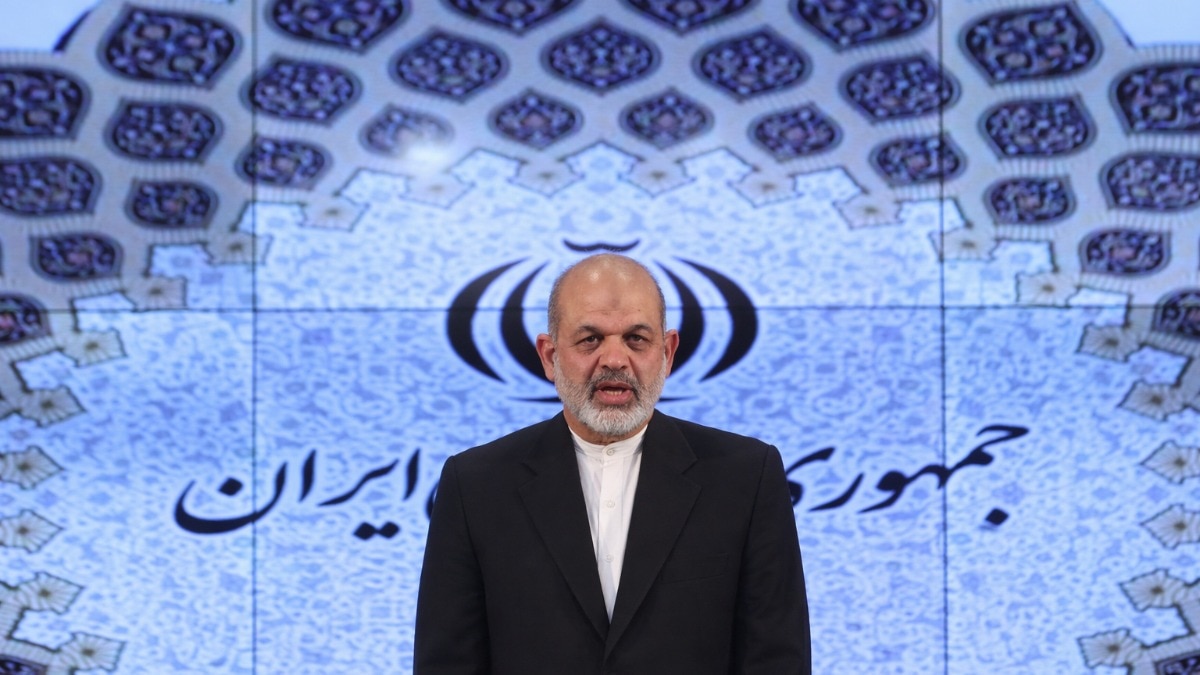
**Shifts in Iranian Leadership: The Role of the IRGC and Ahmad Vahidi**
Recent developments in Iran suggest potential changes in the dynamics of leadership and influence within the country. Analysts are observing the increasing prominence of the Islamic Revolutionary Guard Corps (IRGC) and its affiliates, particularly under the leadership of Ahmad Vahidi, who has been assigned significant responsibilities related to national security.
Vahidi, a veteran figure within Irans political landscape, is seen as a key player in shaping the nation’s military and foreign policies. His rise comes amid speculation about the diminishing authority of Supreme Leader Ayatollah Ali Khamenei, particularly in light of public discontent and ongoing economic challenges faced by the country.
The IRGC has historically wielded considerable power in Iran, acting as a military and political entity that operates independently of traditional governmental structures. With Vahidi at the forefront, there are concerns among some observers that this shift could lead to an even more militarized approach to governance and foreign relations, particularly regarding tensions with the United States and regional conflicts.
Additionally, the evolving power structure raises questions about the future of Irans leadership and governance style, especially as the country navigates complex domestic pressures and international sanctions. The implications of these changes are significant, impacting not only Irans internal stability but also its relations with neighboring countries and global powers.
As the situation develops, it will be crucial for analysts and policymakers to monitor the balance of power within Irans leadership and the potential challenges that may arise from this shifting dynamic.