
Syrias Stance on Hezbollah Raises Questions About Regional Dynamics
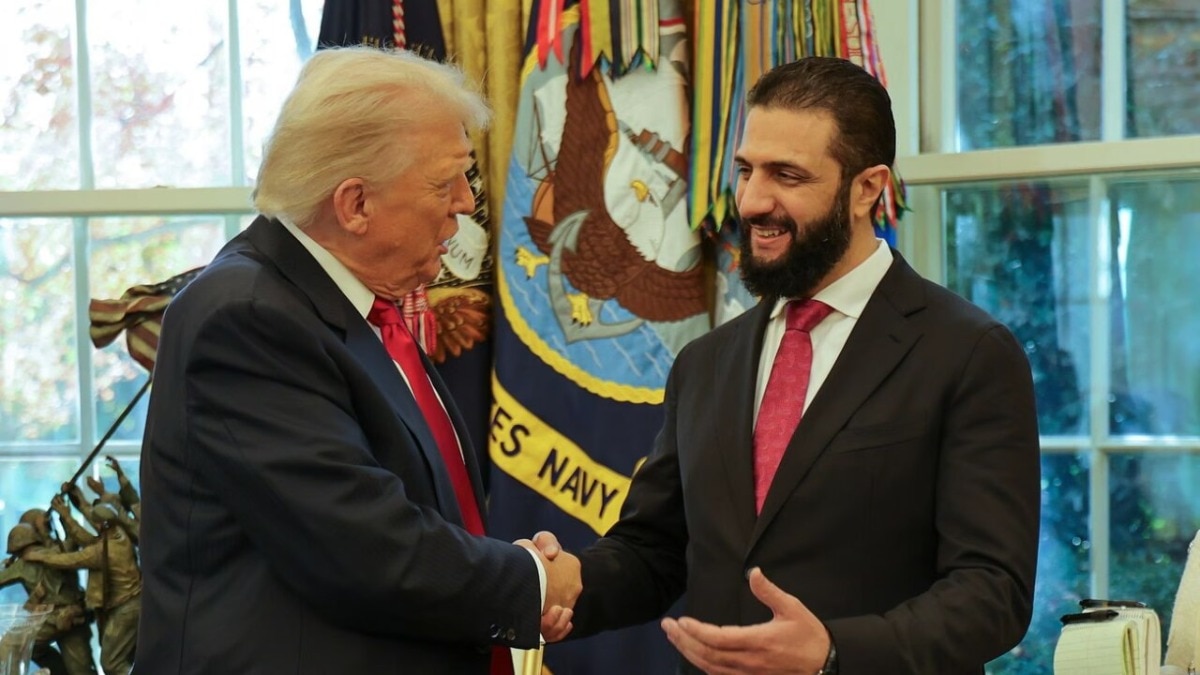
**Syrias Recent Actions Raise Questions About Regional Dynamics and U.S. Relations**
In a recent development, Syrias government appears to have taken a stand that could be interpreted as a direct challenge to U.S. foreign policy regarding Hezbollah, the Lebanon-based militant group. Official statements and actions from Syria suggest a potential strengthening of ties with Hezbollah, which the U.S. has designated as a terrorist organization. This shift raises concerns about the implications for U.S. interests in the Middle East and could signal a broader realignment of regional alliances.
The Syrian government, led by President Bashar al-Assad, has historically relied on Hezbollah for military and political support, particularly during the ongoing civil war. Recent reports indicate an enhancement of military collaboration and open expressions of support from the Assad regime toward Hezbollah. The timing of these actions coincides with ongoing tensions in U.S.-Syria relations, particularly in the wake of U.S. sanctions and diplomatic isolation aimed at countering Syrian and Iranian influence in the region.
Analysts suggest that this defiance might be indicative of a shifting landscape in the Middle East, one where traditional power dynamics are being reconsidered. As Iran continues to assert its influence over both Syria and Hezbollah, the implications of these developments could significantly affect U.S. objectives, including efforts to curtail Iran’s regional presence.
It remains to be seen how the U.S. administration will respond to these shifts, particularly given the complex relationships among various players in the region, including Russia and Turkey. The evolving dynamics may lead to new strategies and engagements as the U.S. navigates its interests amidst a changing geopolitical climate.
In summary, Syrias apparent defiance regarding Hezbollah not only poses challenges for U.S. policy but also highlights the potential for significant shifts in the Middle Eastern geopolitical landscape.
Warning: file_get_contents(https://api.ip2location.io/?key=1A7615A444B2F5F12B2A658FC27169D2&ip=216.73.216.245): Failed to open stream: HTTP request failed! HTTP/1.1 401 Unauthorized in /home/m1newsdesk/public_html/wp-content/themes/colormag-pro/content-single.php on line 197