
“Trumps Interest in Strategic Trade Route in the Context of Tensions in Hormuz”
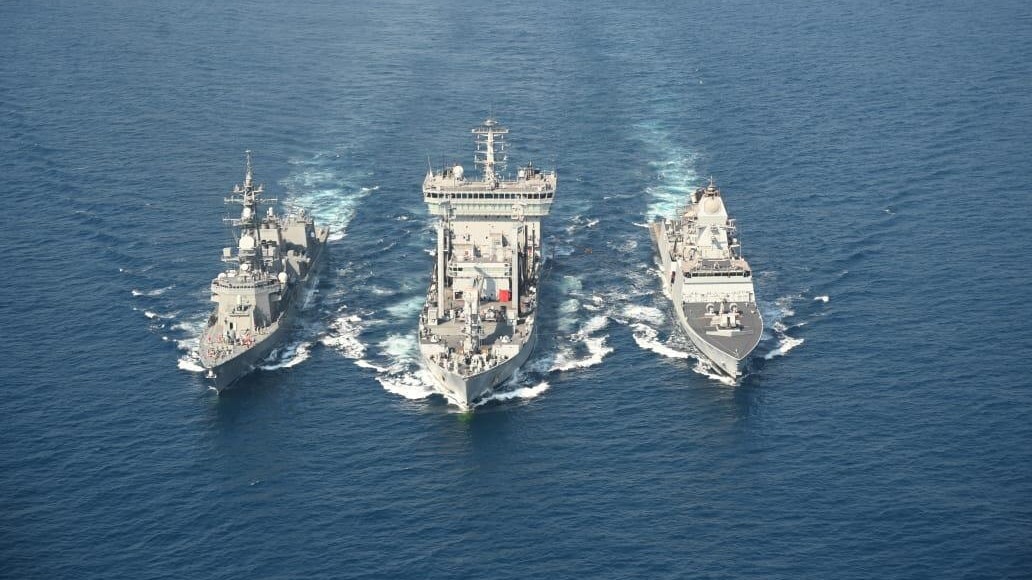
**Title: U.S. Strategic Interests in the Malacca Strait Amid Ongoing Tensions in the Hormuz Strait**
Amid escalating tensions in the Strait of Hormuz, former U.S. President Donald Trump has indicated a focus on the Malacca Strait, a critical maritime route that plays a significant role in global trade, including trade routes vital to India. The Strait of Hormuz, which is strategically important for oil shipments, has seen increased military activity and geopolitical conflict, raising concerns about the stability of this key shipping lane.
The Malacca Strait, located between the Malay Peninsula and the Indonesian island of Sumatra, is one of the worlds busiest shipping channels and is often used for the transport of energy resources, including oil from the Middle East to Asian markets. The strategic importance of this route is underscored by its role in facilitating approximately 30% of global maritime trade and 50% of the worlds oil shipments.
In light of the current geopolitical climate, including tensions between Iran and the U.S., there are growing apprehensions about the security of trade routes essential to India and other nations heavily reliant on maritime trade. Analysts have suggested that heightened U.S. surveillance and military presence in the region may be a response to safeguard these trade pathways.
Furthermore, India, which imports a significant portion of its crude oil through the Strait of Hormuz, may need to assess its strategic options as it navigates potential disruptions in supply due to military actions or blockades. Observers are closely monitoring the situation as it develops, with implications for international trade and regional security.
This evolving scenario highlights the intersection of global trade interests and geopolitical tensions, emphasizing the importance of diplomacy and international cooperation in ensuring the safety of these vital maritime routes.