
Trumps Abraham Accords Initiative Creates Challenges for Pakistan
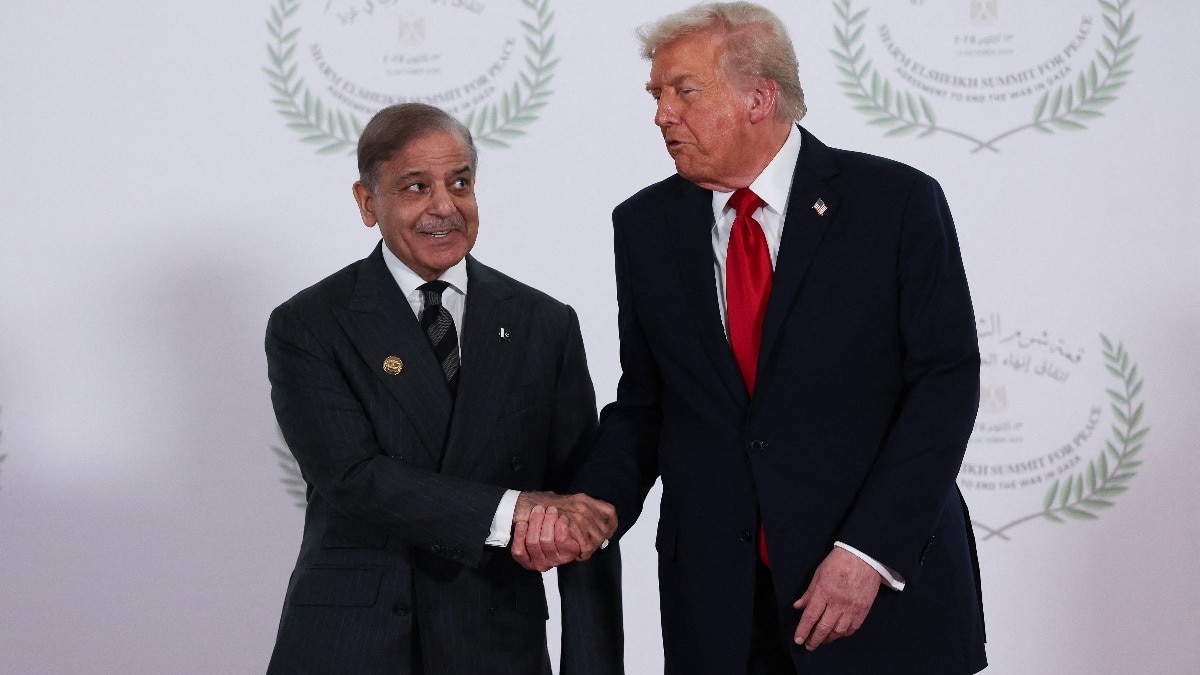
Title: Implications of Trumps Abraham Accords for Pakistans Foreign Policy
Former U.S. President Donald Trumps Abraham Accords, aimed at normalizing relations between Israel and several Arab nations, may have significant implications for Pakistans foreign relations strategy. The accords, established in 2020, marked a shift in Middle Eastern diplomacy by fostering cooperation between Israel and countries such as the United Arab Emirates and Bahrain, with potential ripple effects across the region.
Pakistan, which has historically supported the Palestinian cause and maintained a stance of non-recognition towards Israel, now finds itself in a challenging position. As these accords advance, Pakistan may face pressure to reconsider its diplomatic relationships with both Arab nations that have embraced the accords and with Iran, a key regional ally.
The potential for increased cooperation between Israel and Pakistans neighboring countries could redefine regional alliances and compel Pakistan to reassess its foreign policy objectives. Moreover, Pakistans strategic partnerships, especially with China and its relations with the Gulf states, may also be influenced as the reality of the Abraham Accords takes hold.
Analysts suggest that Pakistans government, led by Prime Minister Shehbaz Sharif, will need to navigate this evolving geopolitical landscape carefully. Balancing relations with Islamic nations who are exploring ties with Israel against its long-standing support for Palestine could create an existential dilemma for Islamabad, requiring a sophisticated diplomatic approach in the coming years.
The situation continues to develop, and the broader implications for regional stability and security remain to be seen as more countries potentially engage with Israel following the Abraham Accords framework.