UAE Plans Withdrawal from OPEC and OPEC+ in Response to West Asia Conflict: Strategies for Addressing Potential Oil Market Impact
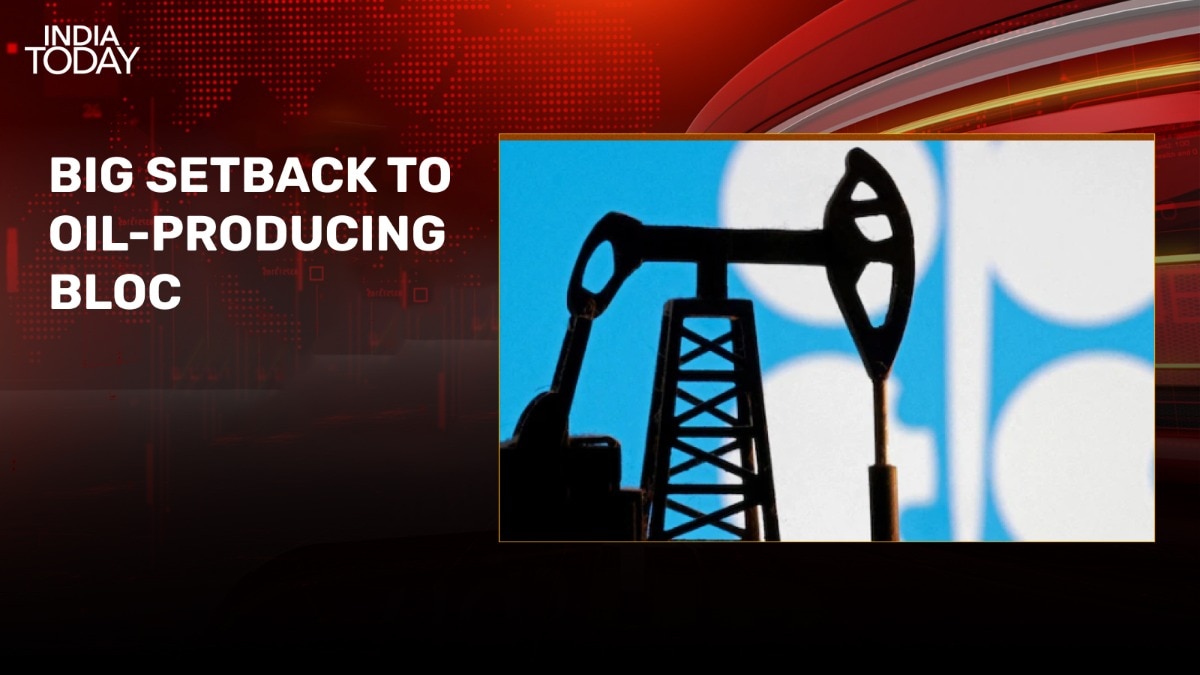
**UAE to Withdraw from OPEC and OPEC+: Implications Amid Regional Tensions**
The United Arab Emirates (UAE) has announced its decision to withdraw from the Organization of the Petroleum Exporting Countries (OPEC) and the OPEC+ alliance, a move prompted by ongoing conflicts in West Asia. This development raises questions regarding the global oil market’s stability, especially in light of recent geopolitical tensions.
As one of the largest oil producers in the region, the UAEs exit is expected to have significant ramifications for both OPECs production strategies and the global oil supply chain. The countrys oil production has been a critical component of OPECs efforts to manage oil prices, and its departure may lead to a shift in the balance of power within the organization.
Currently, the energy landscape is marked by fluctuations in oil prices influenced by various factors, including political instability, economic sanctions, and changing demand patterns. Experts suggest that the global market must prepare for potential challenges, including increased volatility in oil prices and supply disruptions.
In response to these challenges, stakeholders, including governments, energy producers, and consumers, are analyzing strategies to mitigate the impact of the impending oil shock. Initiatives may include diversifying energy sources, increasing investment in renewable energy alternatives, and enhancing energy efficiency measures.
The full impact of the UAEs decision remains to be seen as the international community navigates the complexities of the existing geopolitical climate and aims to maintain energy security.