
US Employs Chinese Strategy for Oil Transport in Hormuz, Satellite Images Reveal
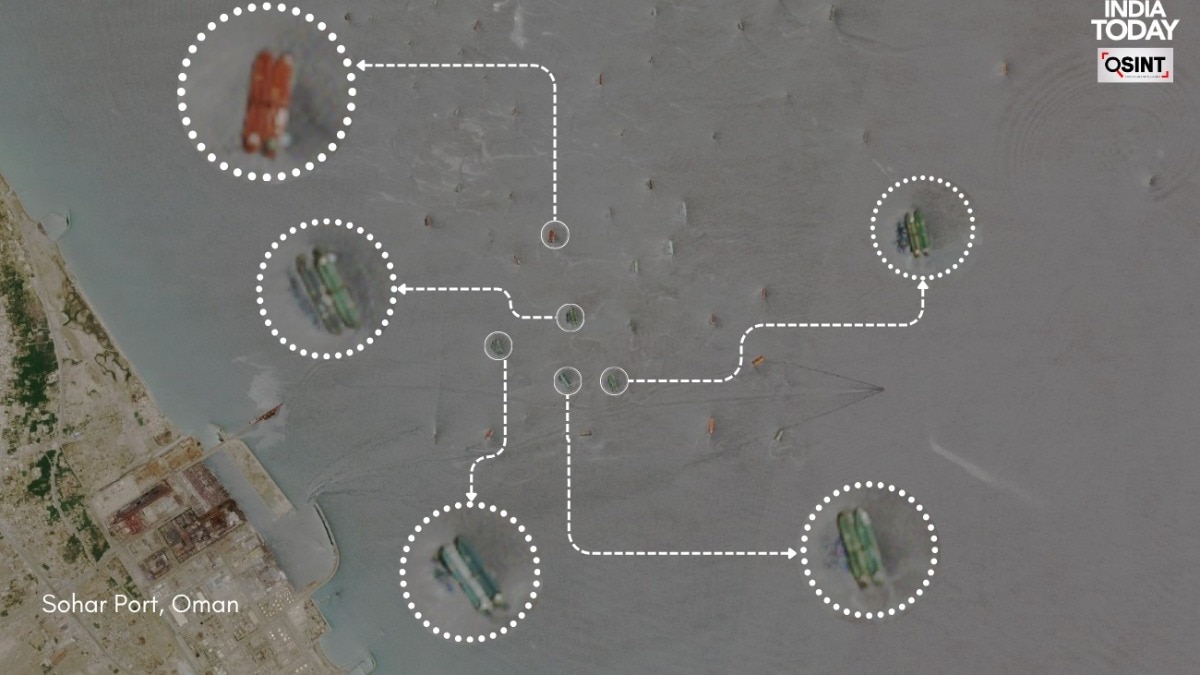
Recent satellite images suggest that U.S.-backed oil tankers have employed tactics similar to those traditionally associated with illicit operations conducted by China to facilitate the transfer of oil in the Strait of Hormuz. This strategic waterway, located between the Persian Gulf and the Gulf of Oman, serves as a critical chokepoint for global oil shipments, with approximately 20% of the worlds oil passing through it.
The images, analyzed by defense experts, indicate that tankers are utilizing ship-to-ship transfer methods in international waters to transfer oil discreetly, potentially circumventing sanctions or regulations. This approach, often used by smaller operators to remain below the radar, raises questions about the implications of such actions in the context of maritime security and international trade laws.
The Strait of Hormuz has long been a flashpoint for geopolitical tensions, particularly involving Iran and its regional adversaries. U.S. military presence in the region aims to ensure the uninterrupted flow of oil, but these images also highlight the complexities and challenges associated with maritime operations and the measures taken to evade detection.
The strategy employed by U.S. allies could signal a shift in operational tactics amidst ongoing sanctions and economic pressures in the oil sector. As global demand for energy fluctuates, it remains to be seen how these developments will impact international relations and security within this vital corridor.