
Analysis of Failed U.S. and Israeli Efforts to Position Ahmadinejad as Irans Leader Post-Conflict
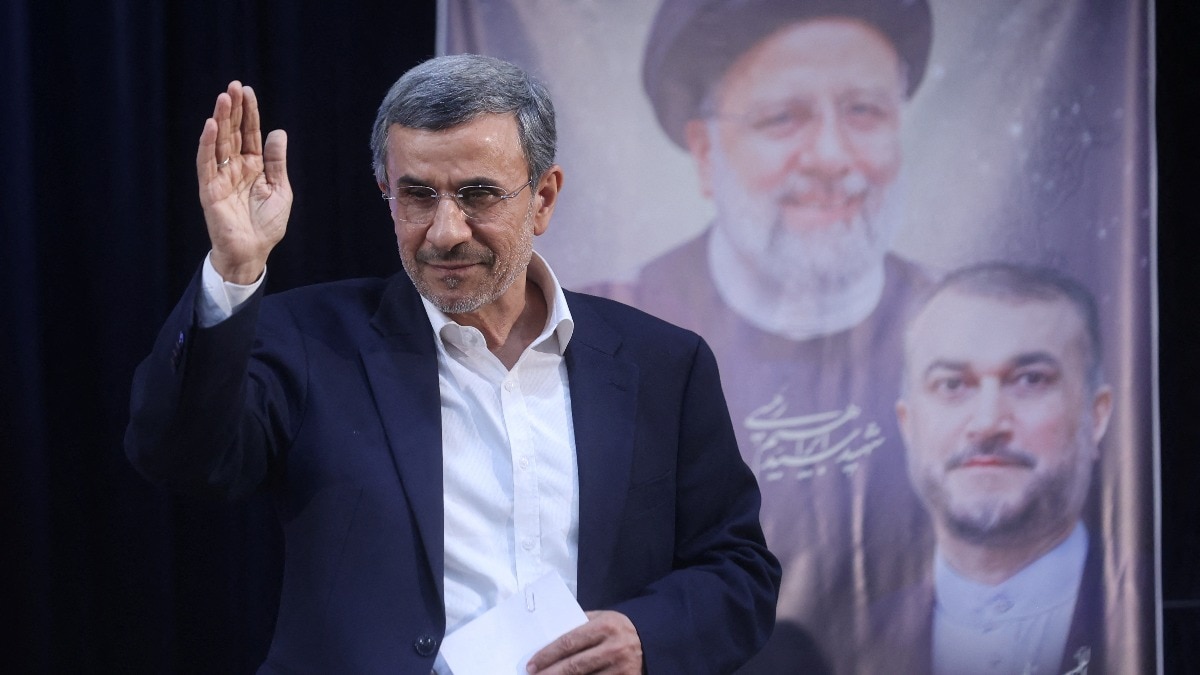
**Title: U.S. and Israel Considered Mahmoud Ahmadinejad for Potential Leadership Role in Iran Post-Conflict**
Recent reports have emerged suggesting that the United States and Israel had considered former Iranian President Mahmoud Ahmadinejad as a potential leader for Iran in the aftermath of a hypothetical conflict in the region. According to a New York Times report, this strategy was aimed at creating a more favorable political landscape in Tehran.
Ahmadinejad, who served as Irans president from 2005 to 2013, is known for his hardline stance and contentious relationship with Western nations, particularly during his time in office. The discussions surrounding his potential reinstatement stem from the belief that his leadership could facilitate more favorable relations with the West and potentially stabilize the region in the wake of military actions.
However, the idea of supporting Ahmadinejad has faced numerous challenges that led to the plot ultimately failing. Analysts speculate that his controversial legacy, characterized by aggressive rhetoric and policies against the U.S. and Israel, might have undermined any efforts for reconciliation. Additionally, Iran’s complex political landscape, which includes various factions and public sentiment, poses significant obstacles to external influence in leadership decisions.
The U.S. and Israel’s strategy appears to have been driven by concerns over Iran’s nuclear ambitions and regional influence, particularly amid ongoing tensions related to various conflicts in the Middle East. Both countries have been engaged in a broader effort to counteract Iran’s influence, which they view as destabilizing.
These developments highlight the intricate nature of international diplomacy in the Middle East and the challenges faced by external powers attempting to navigate Irans internal politics. As the regional situation continues to evolve, it remains to be seen what approaches these nations will adopt moving forward in addressing the challenges posed by Tehran.