
Chinas Naval Capabilities in the Context of Trumps Hormuz Blockade
Title: Analyzing Chinas Potential Naval Response Amid U.S. Tensions in the Hormuz Strait
As tensions in the Gulf region rise, particularly following former U.S. President Donald Trumps recent comments regarding a potential blockade in the Strait of Hormuz, questions emerge about Chinas possible military involvement in the area. The Strait of Hormuz is a strategic passage for oil shipments, and any disruption could significantly impact global oil markets.
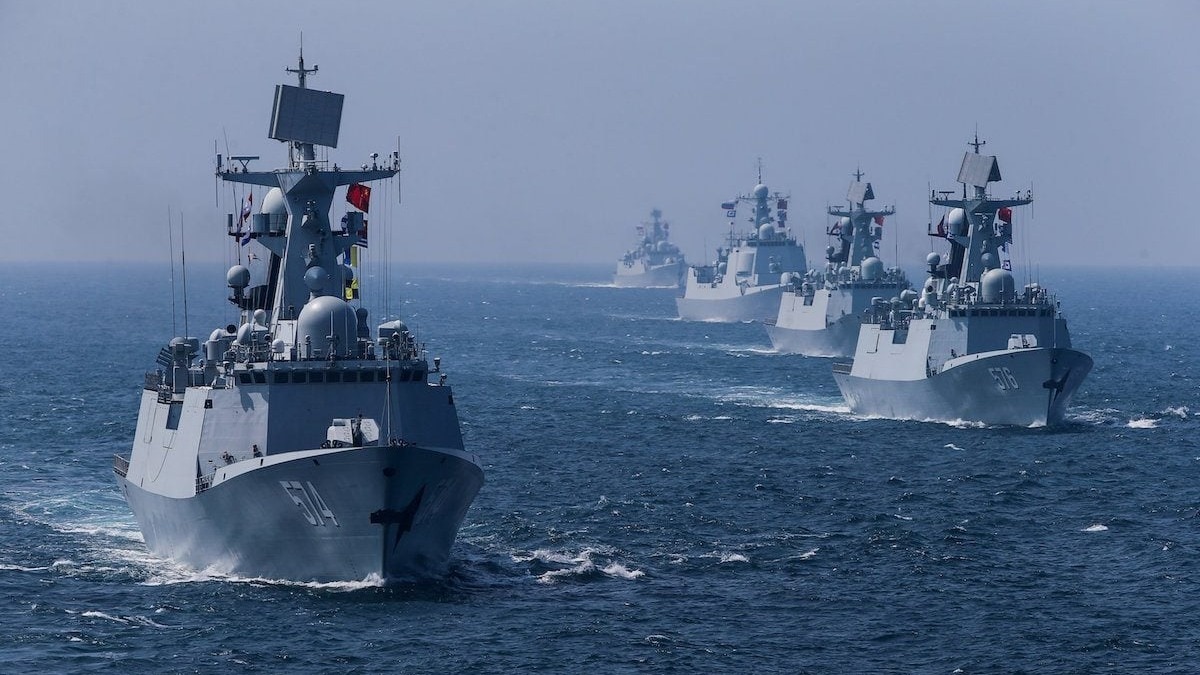
China possesses one of the largest navies in the world and has asserted its interests in maintaining freedom of navigation in international waters. Given that a substantial portion of Chinas oil supplies passes through the Strait, the issue could become particularly pertinent if U.S. actions escalate.
Historically, China has maintained a cautious approach in its foreign military engagements, often favoring diplomatic solutions. However, the burgeoning relationship between Iran and China, highlighted by a 25-year cooperation agreement signed in 2021, could influence Chinas stance should conflicts intensify. This agreement covers various sectors, including energy and military cooperation.
Analysts suggest that while direct military involvement could be a possibility, it might predominantly hinge on the actions and rhetoric from U.S. officials. A Chinese naval deployment to the Hormuz Strait would not only be a significant military maneuver but could also have far-reaching implications for U.S.-China relations, already fraught with tensions over trade, technology, and regional influence.
As the situation evolves, the international community will be keeping a close watch on the dynamics at play in the region, particularly how major powers navigate their interests in a strategically vital area.
Warning: file_get_contents(https://api.ip2location.io/?key=E426288B0A7F71E02A1AAD79349E7CFF&ip=216.73.217.70): Failed to open stream: HTTP request failed! HTTP/1.1 401 Unauthorized in /home/m1newsdesk/public_html/wp-content/themes/colormag-pro/content-single.php on line 202